
-
×
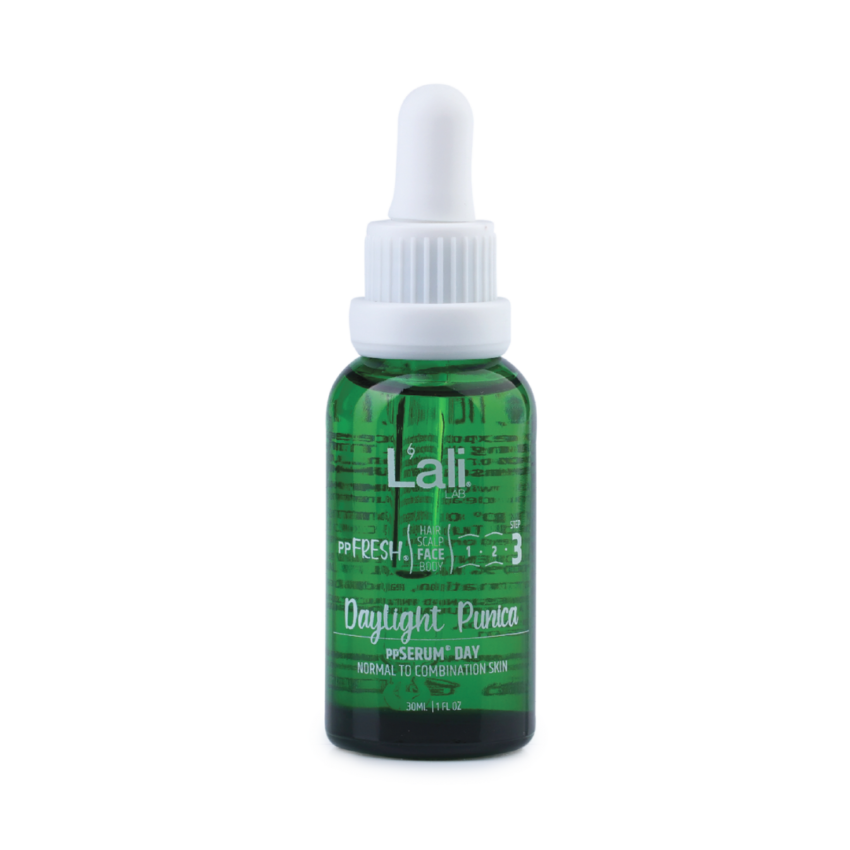 ДНЕВЕН СЕРУМ ЗА ЛИЦЕ | Daylight Punica | 30мл
2 × 32,79 € / 64,13 лв.
ДНЕВЕН СЕРУМ ЗА ЛИЦЕ | Daylight Punica | 30мл
2 × 32,79 € / 64,13 лв. -
×
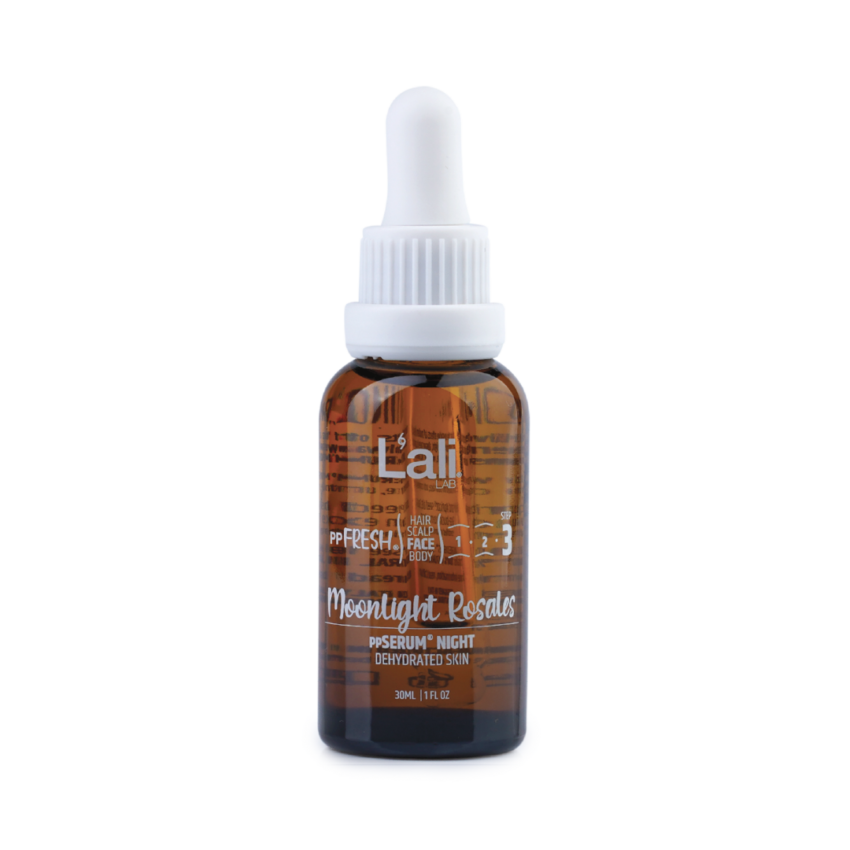 НОЩЕН СЕРУМ ЗА ЛИЦЕ | Moonlit Rosales | 30мл
1 × 34,84 € / 68,14 лв.
НОЩЕН СЕРУМ ЗА ЛИЦЕ | Moonlit Rosales | 30мл
1 × 34,84 € / 68,14 лв.
IQ: I-question, Дигитално замърсяване, Информирано съгласие
Дигитално замърсяване: Как да предпазим кожата си?

Обхватът на въздействието на различните видове замърсявания върху кожата е доста широк. Те могат да доведат до дехидратация, нарушаване на естествения микробиом на кожата, увреждане на кожната бариера, преждевременно стареене, поява на чувствителност и дори рак на кожата. Често може да причини влошаване на съществуващи кожни заболявания като акне, контактен дерматит, екзема и псориазис.
Способността на тялото ни да се предпазва и възстановява намалява с напредване на възрастта, което допълнително ускорява процеса на стареене. Неопровержимата реалност на 21-ви век е, че прекарваме прекалено много време пред електронни устройства всеки ден. Въпреки че първосигнално свързваме негативните ефекти с главоболие и напрежение на очите, има и друга част от тялото, която също е пряко засегната: кожата.
Синята светлина (високоенергийна видима светлина (HEV)) е навсякъде около нас: слънчевите лъчи и LED осветлението от компютърни екрани, смартфони, телевизори и лампи. Дигиталното замърсяване със синя светлина причинява оксидативен стрес върху епидермиса, намалява производството на висококачествен колаген, уврежда клетъчните структури, окислява и разрушава необходими за клетките метаболити и ускорява стареенето на кожата. При по-чувствителна кожа, излагането на големи количества синя светлина могат да доведат дори до зачервяване и възпаление на кожата.

Защитата е ключът към здравата кожа
Най-големият и интензивен източник на синя светлина е Слънцето. За разлика от случая с UVA и UVB лъчите, дори висококачествените слънцезащитни продукти не могат достатъчно ефективно да предпазят кожата от синята светлина. Необходима е допълнителна защита. Състоянието, в което преминават клетките на кожата след облъчване с HEV, се нарича оксидативен стрес и представлява верижна реакция от окислителни процеси, която води до нарушаване на естествения метаболизъм на клетките. За противодействие на образуваните свободни радикали, нашето тяло има изградени вътрешни механизми, който повишават производството на молекули наречени фотоакцептори. Когато обаче количеството на свободните радикали е прекалено голямо, потенциала на клетките сами да се справят с проблема може да бъде изчерпан. Тога на помощ идват антиоксидантите.
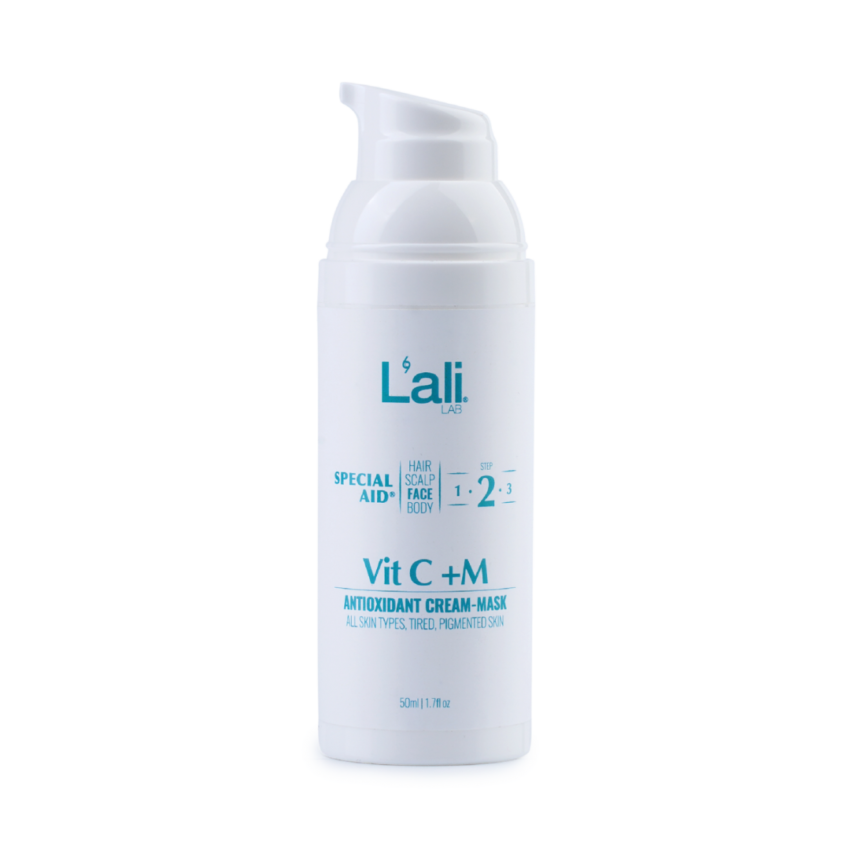
Витамин С, най-изобилният антиоксидант в човешката кожа, представлява част от сложната група от ензимни и неензимни антиоксиданти, които работят съвместно, за да предпазват кожата от реактивни кислородни видове (ROS). Като много ефективен антиоксидант, Витамин С е идеална съставка за активни козметични продукти, която да включим към дневната си рутина. Проучвания показват, че използването на продукт с витамин С преди слънцезащитния крем подсилва защитния SPF ефект. Витамин С стимулира производството на колаген, спомага за изсветляване на пигментни петна и появата на фини линии.
7%

Бърза доставка – до 2 работни дни
Original price was: 30,58 € / 59,81 лв..28,43 € / 55,60 лв. Текущата цена е: 28,43 € / 55,60 лв..
ИЗРАВНЯВА ТЕНА, РЕГЕНЕРИРА, ХИДРАТИРА И УСПОКОЯВА ЗА ВСЕКИ ТИП КОЖА, ВКЛЮЧИТЕЛНО ЧУВСТВИТЕЛНА Използвай 2 пъти седмично
7%

Бърза доставка – до 2 работни дни
ЗАБАВЯНЕ НА СТАРЕЕНЕТО
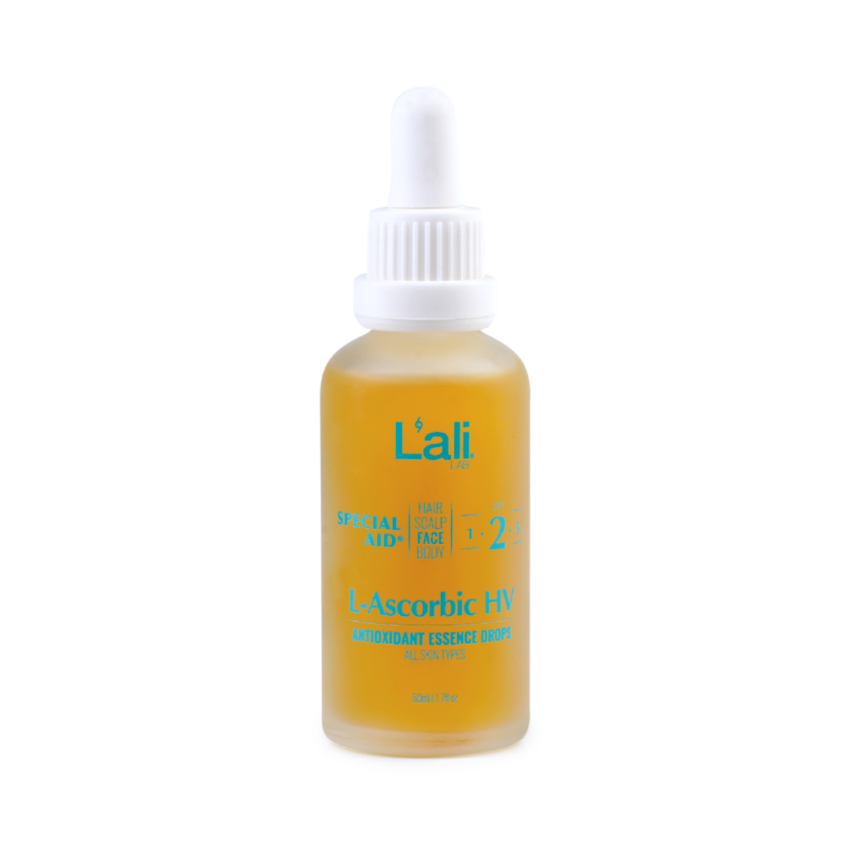
АНТИОКСИДАНТНИ ЕСЕНЦИАЛНИ КАПКИ ЗА ЛИЦЕ | L-Ascorbic HV | 50мл
Original price was: 20,19 € / 39,49 лв..18,77 € / 36,71 лв. Текущата цена е: 18,77 € / 36,71 лв..
ИЗСВЕТЛЯВАТ, РЕГЕНЕРИРАТ, ХИДРАТИРАТ И ПОДОБРЯВАТ ЕЛАСТИЧНОСТТА ЗА ВСЕКИ ТИП КОЖА, ВКЛЮЧИТЕЛНО ЧУВСТВИТЕЛНА За ежедневна употреба

За екип са нужни поне двама. Основният партньор на Витамин С в защитата срещу оксидативно увреждане е разбира се витамин Е. Комбинацията от двете съставки, значително повишава способността на кожата да се защити от вредните лъчения (UV и синя светлина).
Витамин Е е важен мастноразтворим антиоксидант, използван повече от 50 години в дерматологията. Освен че предпазва кожата от различни вредни въздействия, дължащи се на слънчевата радиация, като действа като “чистач” на свободни радикали, експериментални проучвания сочат, че витамин Е има антитуморигенни и анти-ейдж свойства.
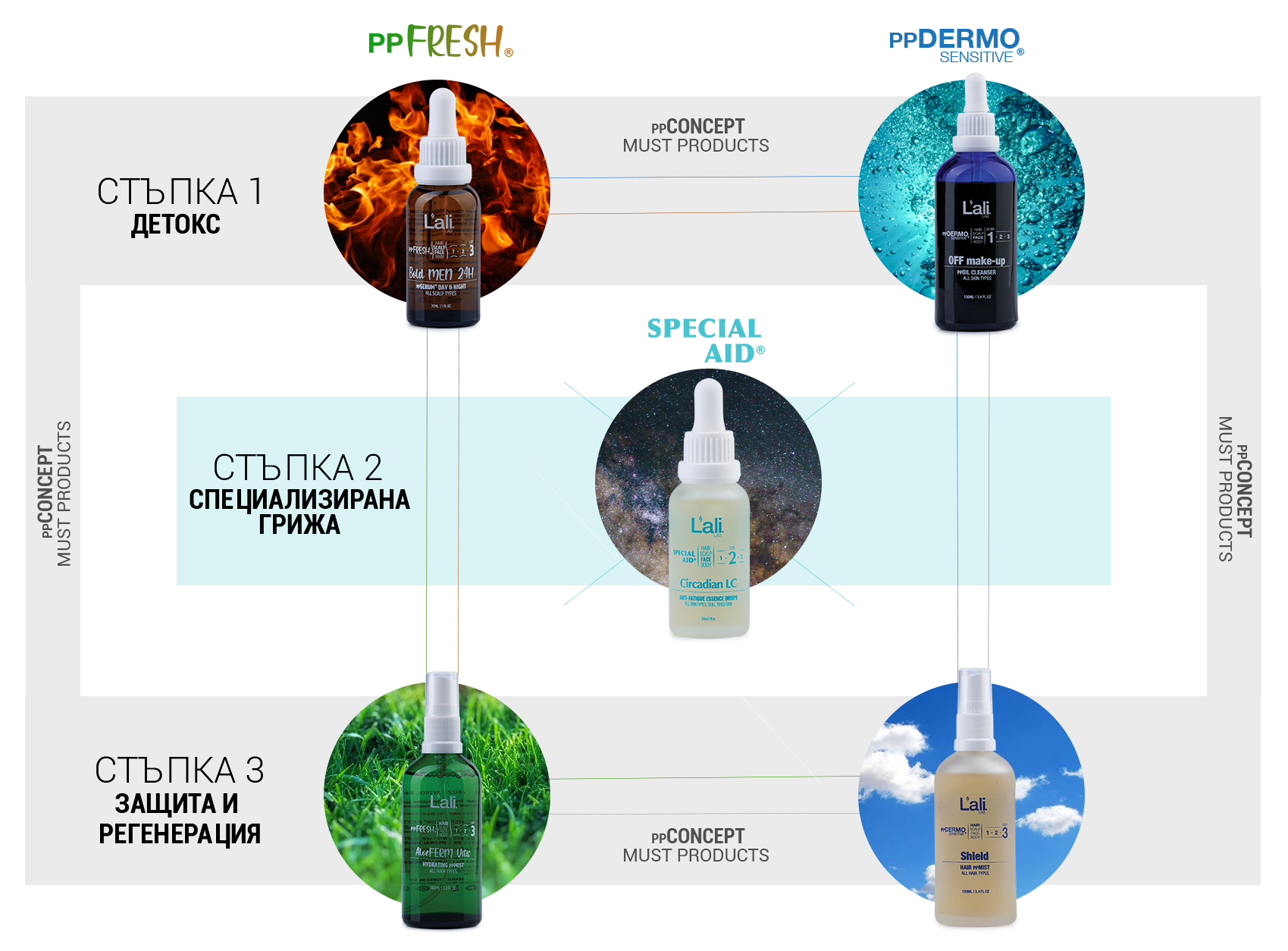




Ликопенът е антиоксидант, който сме свикнали да приемаме с храна си, защото се среща в червените плодове, като доматите например. Той е широко изследван и е доказан мощен антиоксидант (около 100 пъти по-силен от витамин Е). Предпазва организма от оксидативния стрес, отговорен за бързото стареене на кожата и появата на старчески петна. Той се съдържа в големи количества в ципите на домата, но тъй като е мастно разтворим се усвоява сравнително трудно. Чрез хидролизиране на доматените люспи и прилагане на нова патентована A.M.C. (Aquose Microdisperse Carotenoids) технология, ликопенът лесно се влага във водосъдържащи продукти, като предоставя значителна защита от външни замърсявания (+40% in vitro тестове).

Бърза доставка – до 2 работни дни
ЗАЩИТА ОТ ГРАДСКО ЗАМЪРСЯВАНЕ
30,47 € / 59,59 лв.
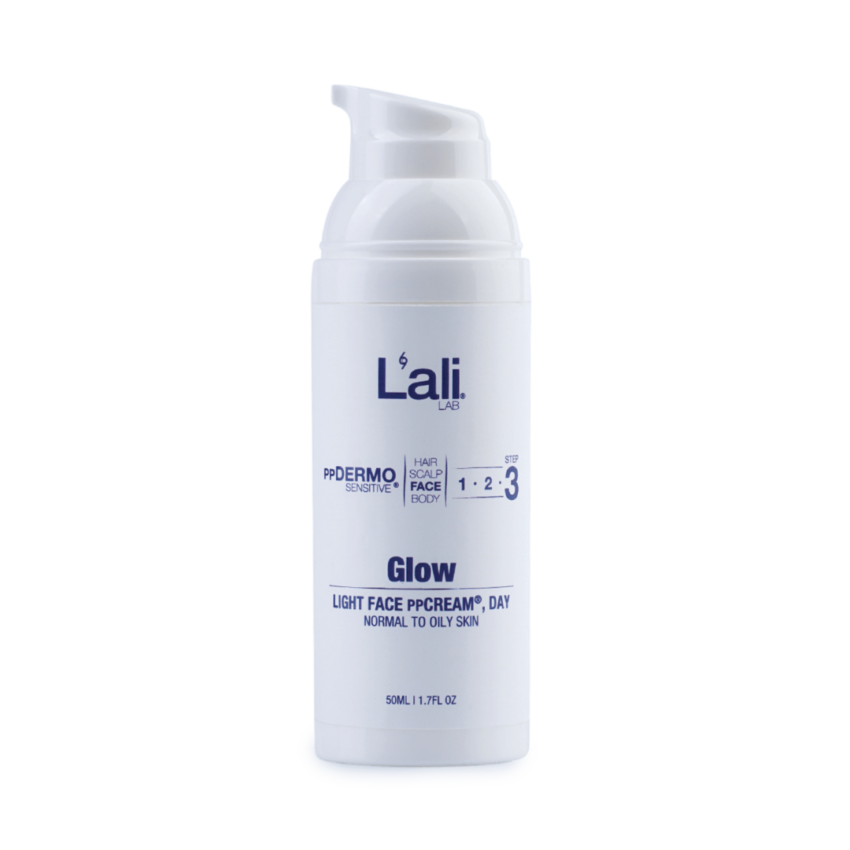
ХИДРАТИРА, ЗАЩИТАВА И ПОВИШАВА СИЯЙНОСТТА ЗА НОРМАЛНА ДО МАЗНА КОЖА, ВКЛЮЧИТЕЛНО ЧУВСТВИТЕЛНА За ежедневна употреба
Бърза доставка – до 2 работни дни
ЗАЩИТА ОТ ГРАДСКО ЗАМЪРСЯВАНЕ
32,45 € / 63,47 лв.
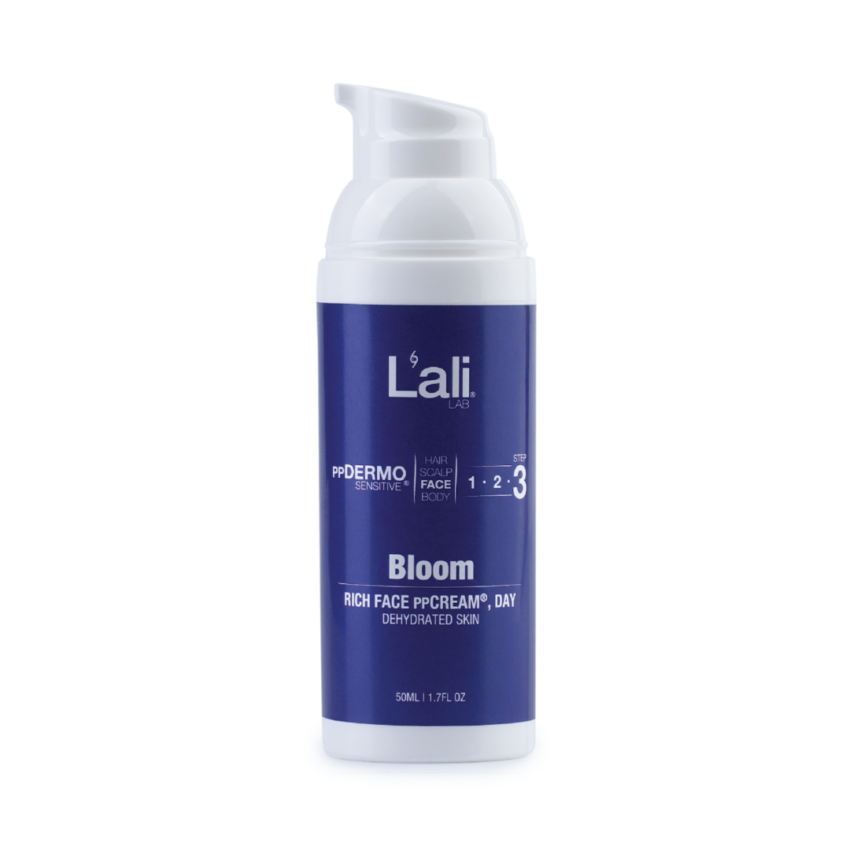
ИНТЕНЗИВНО ХИДРАТИРА, ПОДХРАНВА, ПОДОБРЯВА ЕЛАСТИЧНОСТТА И ЗАЩИТАВА ЗА СУХА И ЗРЯЛА КОЖА, ВКЛЮЧИТЕЛНО ЧУВСТВИТЕЛНА За ежедневна употреба
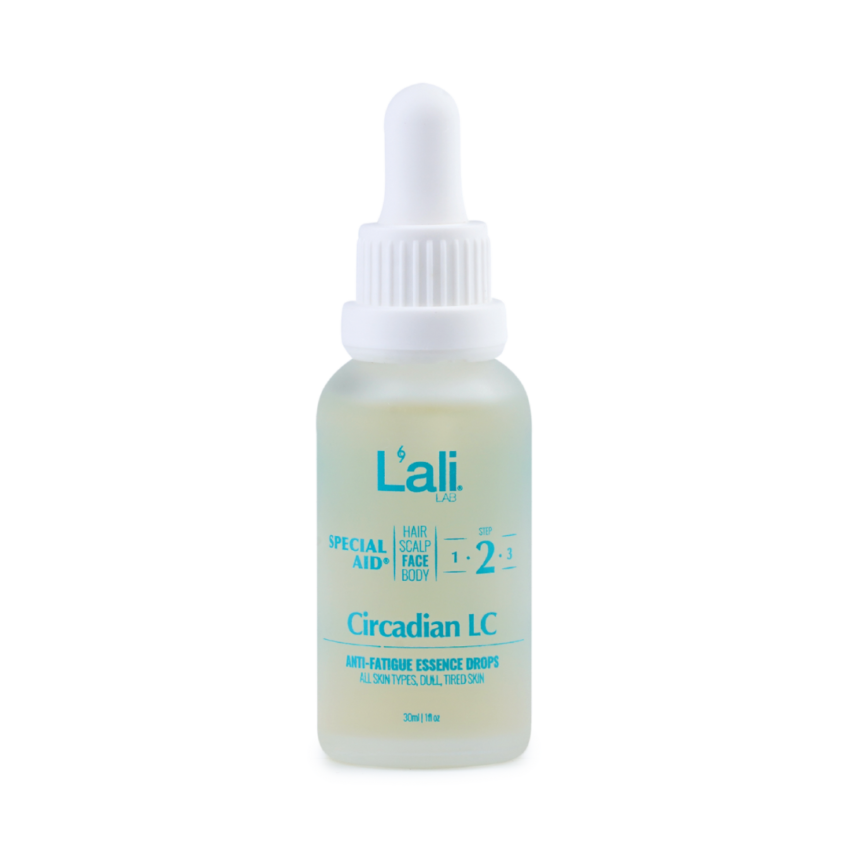
Супер съставките – панацея за всеки проблем на кожата са мит в козметичната индустрия, но съставки предоставящи няколко специфични ефекта на веднъж са съвсем реални. Такава уникална съставка е Екстракта от Леспедеза (Храстова детелина).
Той представлява иновативна активна съставка за борба с последиците, причинени от нарушаване на сиркадния ритъм на кожата, в следствие действието на стресорите на съвременната реалност и начин на живот. Неговото антиоксидантно действие е добре изучено, като ефективността му е доказана с редица клинични и лабораторни тестове. Екстракта от Леспедеза подобрява тена, като същевременно намалява подпухналостта и тъмните кръгове около очите.

+ Противодейства на отрицателните ефекти на синята светлина (in vitro тест)
+ Ресинхронизира сиркадния ритъм на кожните клетки (in vitro тест)
+ Мощен ефект против умора (подпухналост, тъмни кръгове) (in vivo тест)
+ Подобрява микроциркулацията и тена на кожата (+35%, in vivo тест).
7%
Бърза доставка – до 2 работни дни
ДИГИТАЛНО ЗАМЪРСЯВАНЕ
Original price was: 21,85 € / 42,73 лв..20,32 € / 39,74 лв. Текущата цена е: 20,32 € / 39,74 лв..
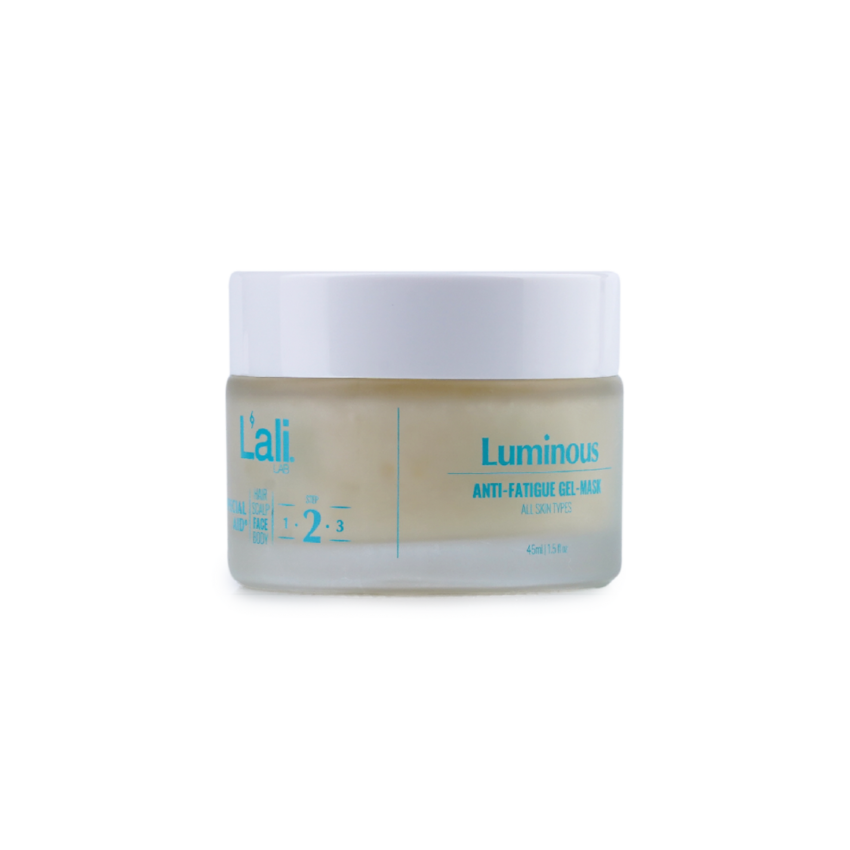
ЗАЩИТАВАТ ОТ СИНЯТА СВЕТЛИНА, РЕСИНХРОНИЗИРАТ, УСПОКОЯВАТ И ИЗРАВНЯВАТ ТЕНА ЗА ВСЕКИ ТИП КОЖА С УМОРЕН И ПЕПЕЛЯВ ВИД, ВКЛЮЧИТЕЛНО ЧУВСТВИТЕЛНА За ежедневна употреба
7%
Бърза доставка – до 2 работни дни
ДИГИТАЛНО ЗАМЪРСЯВАНЕ
Original price was: 27,08 € / 52,96 лв..25,19 € / 49,27 лв. Текущата цена е: 25,19 € / 49,27 лв..
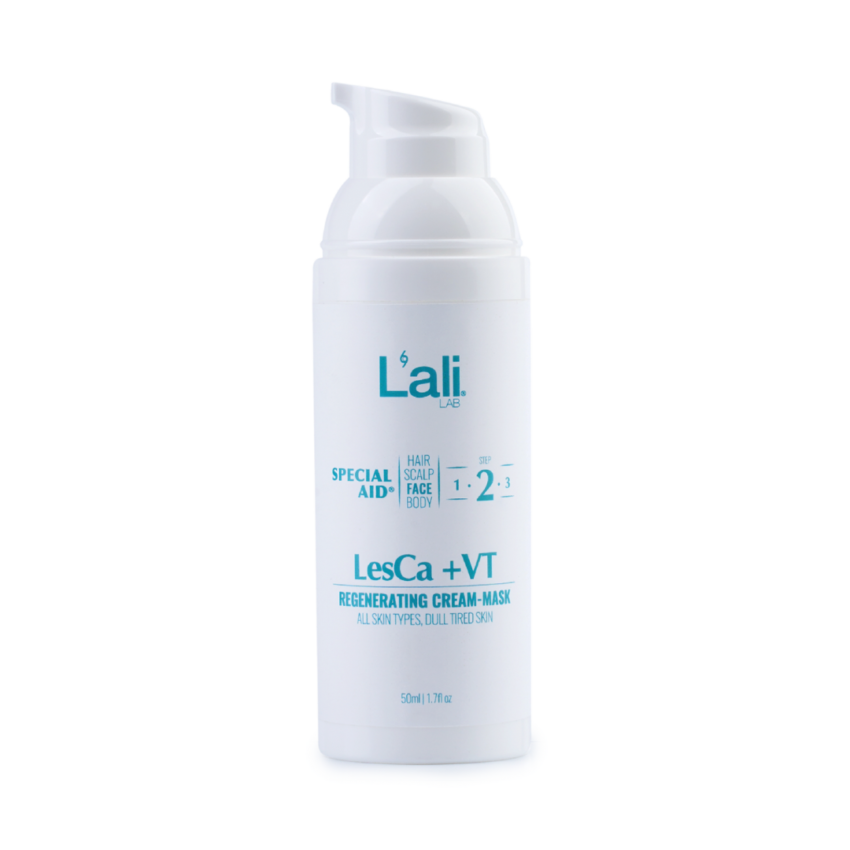
ОЗАРЯВА, РЕГЕНЕРИРА, ЗАЩИТАВА, ХИДРАТИРА И ПОДОБРЯВА БАРИЕРНИТЕ ФУНКЦИИ ЗА ВСЕКИ ТИП КОЖА, ВКЛЮЧИТЕЛНО ЧУВСТВИТЕЛНА Използвай 2 пъти седмично
7%
Бърза доставка – до 2 работни дни
ДИГИТАЛНО ЗАМЪРСЯВАНЕ
Original price was: 30,58 € / 59,81 лв..28,43 € / 55,60 лв. Текущата цена е: 28,43 € / 55,60 лв..
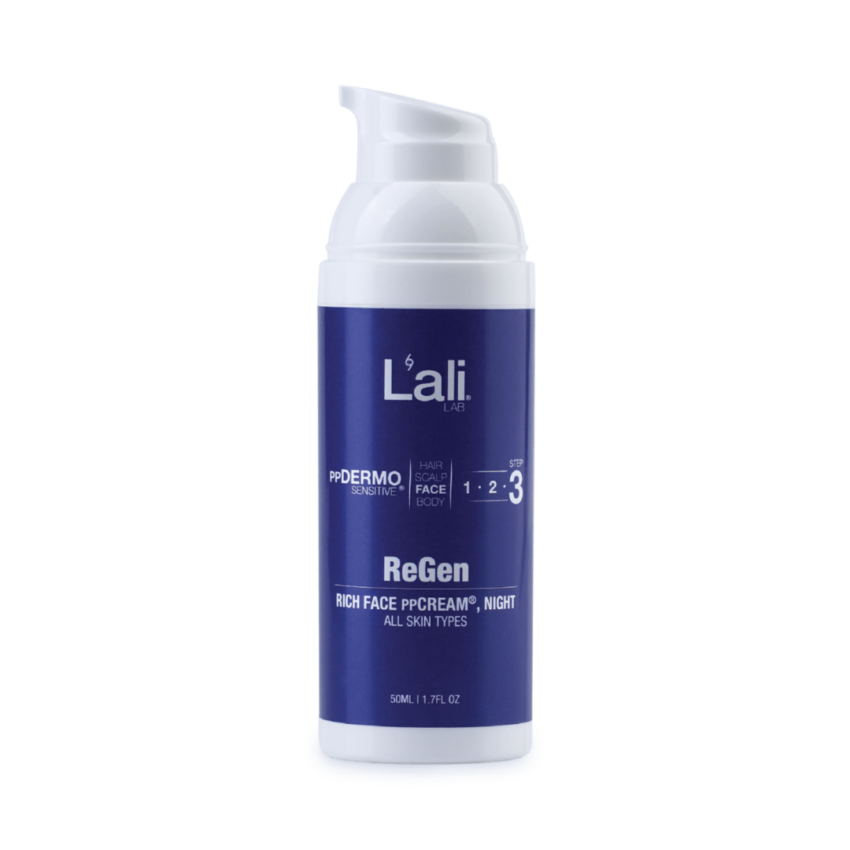
ВЪЗСТАНОВЯВА, ОЗАРЯВА, ХИДРАТИРА И ПОДХРАНВА ЗА ВСЕКИ ТИП КОЖА С УМОРЕН И ПЕПЕЛЯВ ВИД Използвай 2 пъти седмично
7%
Бърза доставка – до 2 работни дни
ДИГИТАЛНО ЗАМЪРСЯВАНЕ
Original price was: 43,08 € / 84,26 лв..40,06 € / 78,35 лв. Текущата цена е: 40,06 € / 78,35 лв..
ИНТЕНЗИВНО ХИДРАТИРА, ПОДХРАНВА И РЕГЕНЕРИРА ЗА ВСЕКИ ТИП КОЖА, ВКЛЮЧИТЕЛНО ЧУВСТВИТЕЛНА За ежедневна употреба
Има и други съставки, които повишават SPF защитата, като разширяват механизма и на действие, без значение дали са компонент на слънцезащитния крем или се използват в отделен продукт.

Такава съставка е например Кополимер от масла от Рапица и Китайско дърво. Представлява биоразградим полимер на растителна основа, синтезиран от масла от китайско дърво и рапица, който образува гъвкав филм върху кожата за равномерно покритие. Замърсяванията, причинени от градската среда, видимо състаряват кожата и допринасят за появата на хиперпигментация, лоша текстура, дехидратация, фини линии и бръчки. Тази уникална съставка има способността да остане на кожата дълго време, осигурявайки превъзходна защита от вреди, причинени от замърсители и агресори от околната среда, като не само предпазва от физически замърсители, а повишава SPF с 39,6% (in vitro тест).
Бърза доставка – до 2 работни дни
ЗАЩИТА ОТ ГРАДСКО ЗАМЪРСЯВАНЕ
30,47 € / 59,59 лв.
ХИДРАТИРА, ЗАЩИТАВА И ПОВИШАВА СИЯЙНОСТТА ЗА НОРМАЛНА ДО МАЗНА КОЖА, ВКЛЮЧИТЕЛНО ЧУВСТВИТЕЛНА За ежедневна употреба
7%
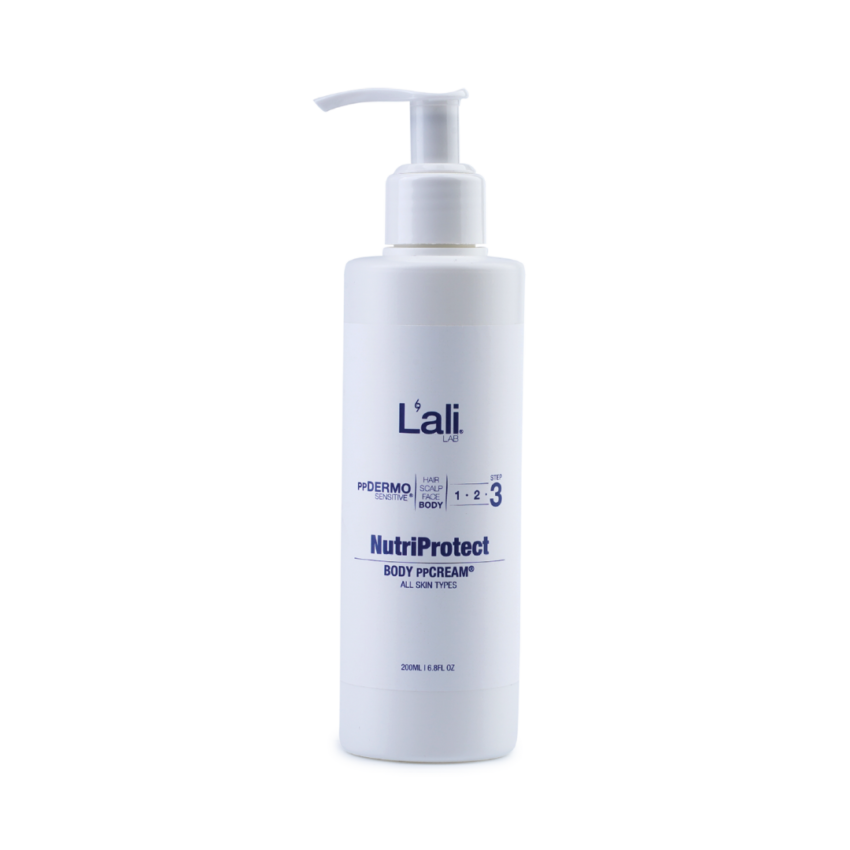
Бърза доставка – до 2 работни дни
ЗАЩИТА ОТ ГРАДСКО ЗАМЪРСЯВАНЕ
Original price was: 23,45 € / 45,86 лв..21,81 € / 42,66 лв. Текущата цена е: 21,81 € / 42,66 лв..
ИНТЕНЗИВНО ПОДХРАНВА, ХИДРАТИРА И ЗАЩИТАВА ЗА ВСЕКИ ТИП КОЖА, ВКЛЮЧИТЕЛНО ЧУВСТВИТЕЛНА За ежедневна употреба
Бърза доставка – до 2 работни дни
ЗАЩИТА ОТ ГРАДСКО ЗАМЪРСЯВАНЕ
32,45 € / 63,47 лв.
ИНТЕНЗИВНО ХИДРАТИРА, ПОДХРАНВА, ПОДОБРЯВА ЕЛАСТИЧНОСТТА И ЗАЩИТАВА ЗА СУХА И ЗРЯЛА КОЖА, ВКЛЮЧИТЕЛНО ЧУВСТВИТЕЛНА За ежедневна употреба
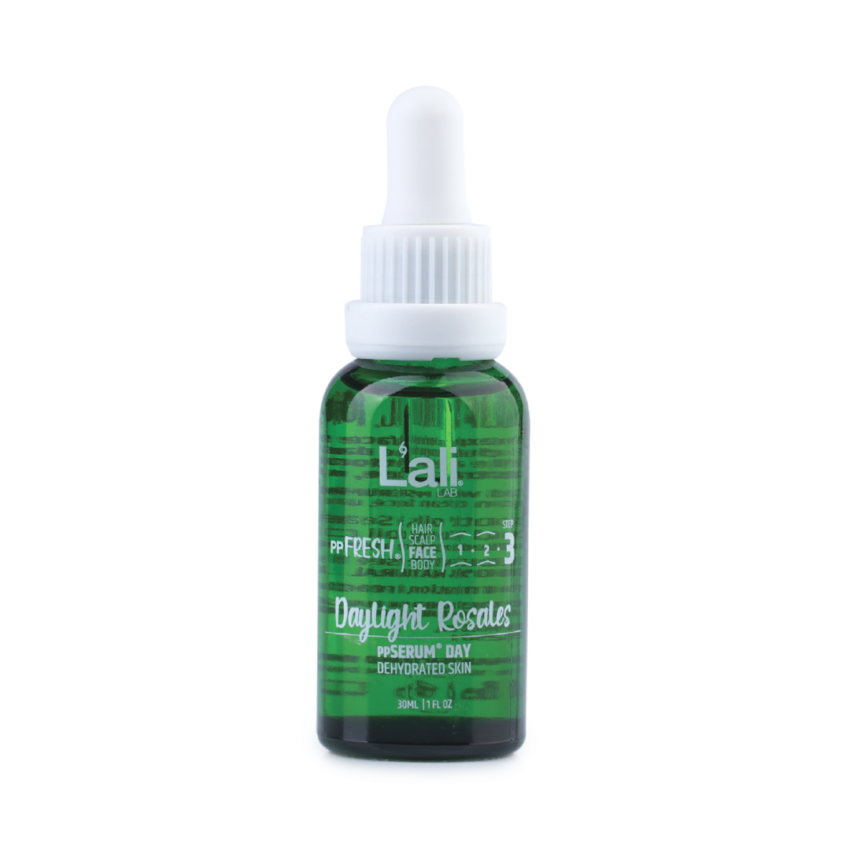
Бърза доставка – до 2 работни дни
ЗАЩИТА ОТ ГРАДСКО ЗАМЪРСЯВАНЕ
33,57 € / 65,66 лв.
ЗАЩИТАВА, ХИДРАТИРА И ОЗАРЯВА КОЖАТА ПРЕЗ ДЕНЯ ЗА СУХА КОЖА НА ЛИЦЕТО И ОКОЛООЧНИЯ КОНТУР За ежедневна употреба
Бърза доставка – до 2 работни дни
ЗАЩИТА ОТ ГРАДСКО ЗАМЪРСЯВАНЕ
32,79 € / 64,13 лв.
ПОДХРАНВА, ЗАЗДРАВЯВА И ХИДРАТИРА ЗА НОРМАЛНА ДО КОМБИНИРАНА КОЖА НА ЛИЦЕТО И ОКОЛООЧНИЯ КОНТУР За ежедневна употреба
7%
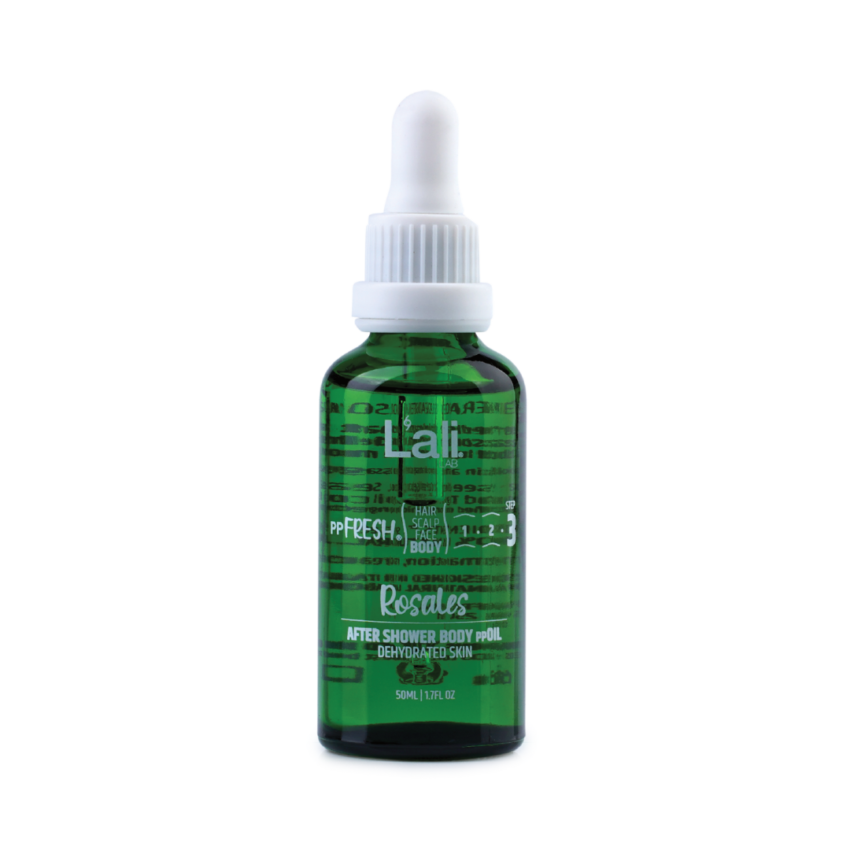
Бърза доставка – до 2 работни дни
ЗАЩИТА ОТ ГРАДСКО ЗАМЪРСЯВАНЕ
Original price was: 27,91 € / 54,59 лв..25,95 € / 50,75 лв. Текущата цена е: 25,95 € / 50,75 лв..
РЕГЕНЕРИРА, ХИДРАТИРА И ЗАЩИТАВА ОТ ГРАДСКО ЗАМЪРСЯВАНЕ ЗА СУХА КОЖА За ежедневна употреба
7%
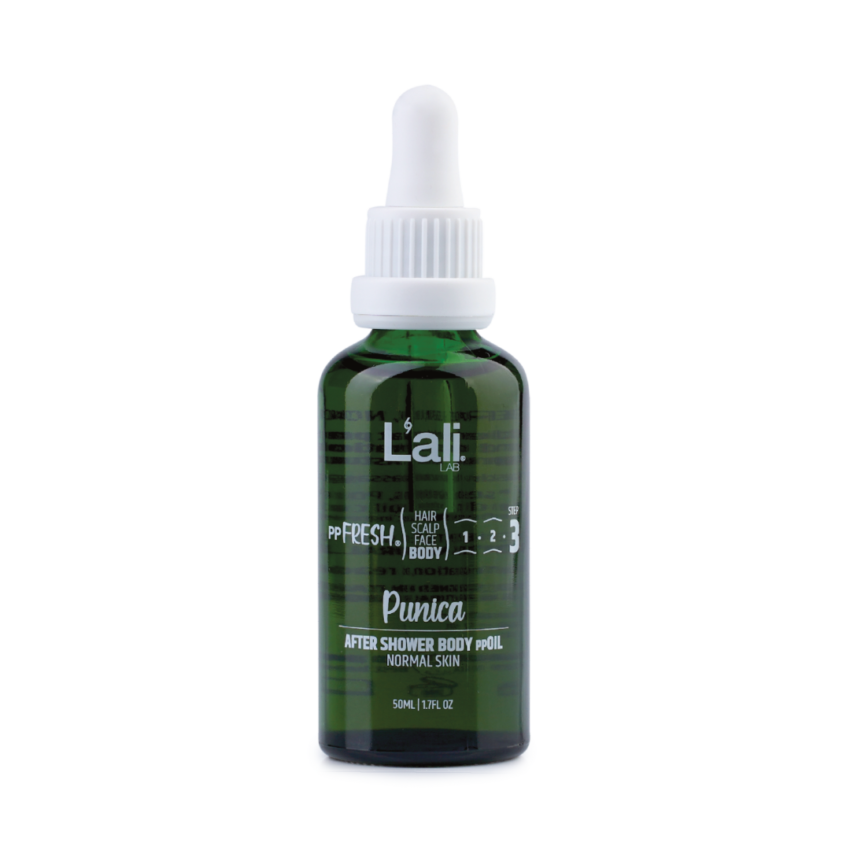
Бърза доставка – до 2 работни дни
ЗАЩИТА ОТ ГРАДСКО ЗАМЪРСЯВАНЕ
Original price was: 27,86 € / 54,49 лв..25,91 € / 50,68 лв. Текущата цена е: 25,91 € / 50,68 лв..
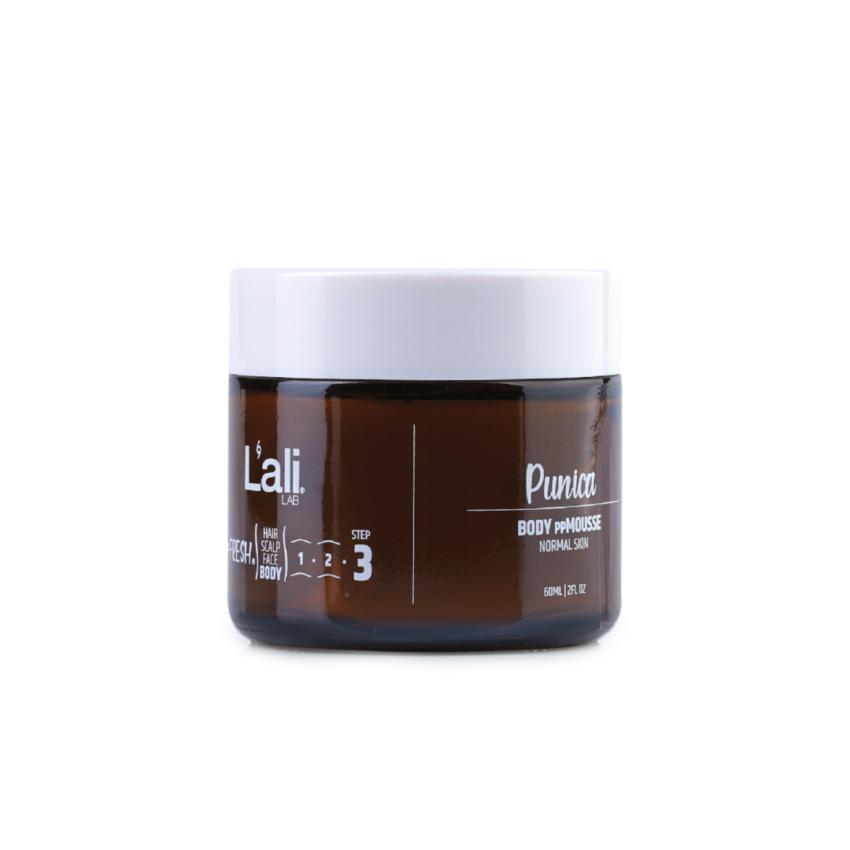
РЕГЕНЕРИРА, ОМЕКОТЯВА И ЗАЩИТАВА ОТ ГРАДСКО ЗАМЪРСЯВАНЕ ЗА НОРМАЛНА КОЖА За ежедневна употреба
7%
Бърза доставка – до 2 работни дни
ЗАЩИТА ОТ ГРАДСКО ЗАМЪРСЯВАНЕ
Original price was: 30,46 € / 59,57 лв..28,33 € / 55,41 лв. Текущата цена е: 28,33 € / 55,41 лв..
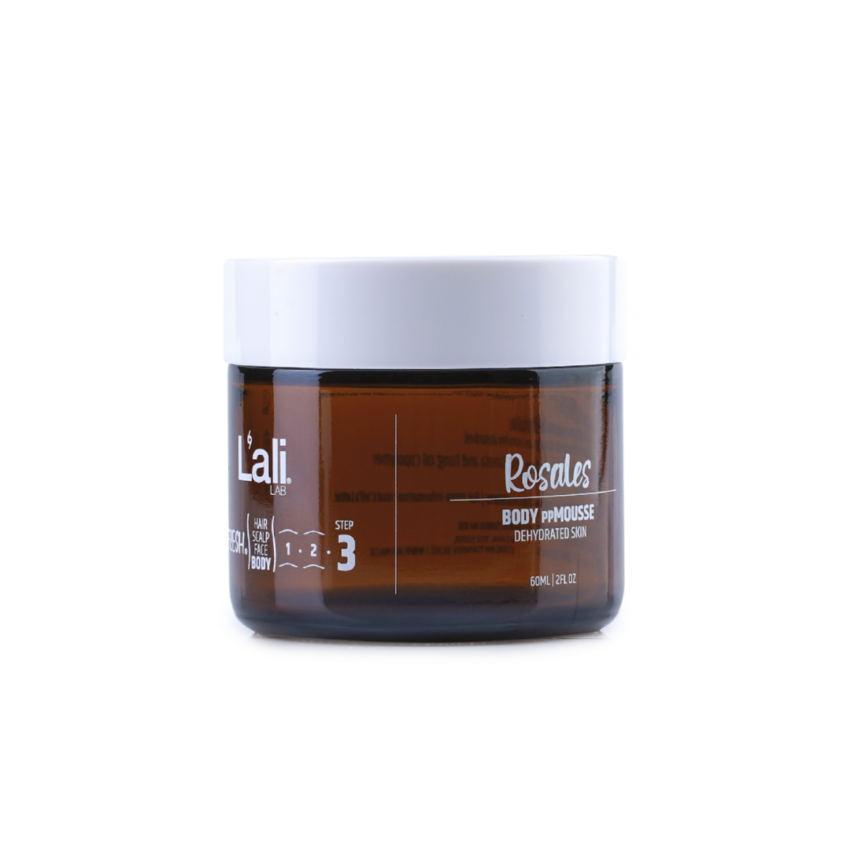
ИНТЕНЗИВНО ХИДРАТИРА, РЕГЕНЕРИРА И ЗАЩИТАВА ПОДХОДЯЩ ЗА НОРМАЛНА И СУХА КОЖA За ежедневна употреба
7%
Бърза доставка – до 2 работни дни
ЗАЩИТА ОТ ГРАДСКО ЗАМЪРСЯВАНЕ
Original price was: 30,46 € / 59,57 лв..28,33 € / 55,41 лв. Текущата цена е: 28,33 € / 55,41 лв..
ИНТЕНЗИВНО ХИДРАТИРА, РЕГЕНЕРИРА И ЗАЩИТАВА ПОДХОДЯЩ ЗА СУХА КОЖА За ежедневна употреба

Малко са натуралните козметични съставки с естествен SPF. За това са и толкова уникални. Маслото от Малинови семена защитава кожата от слънцето с естествен SPF 20-40 в зависимост от реколтата. Слънцето е водещата причина за ускорено стареене, което прави маслото идеално за тези, които прекарват времето си на открито. Абсорбира се добре, има високо антиоксидантно съдържание, овлажнява кожата и чудесен пример за натурална супер съставка.
Бърза доставка – до 2 работни дни
ЗАЩИТА ОТ ГРАДСКО ЗАМЪРСЯВАНЕ
30,47 € / 59,59 лв.
ХИДРАТИРА, ЗАЩИТАВА И ПОВИШАВА СИЯЙНОСТТА ЗА НОРМАЛНА ДО МАЗНА КОЖА, ВКЛЮЧИТЕЛНО ЧУВСТВИТЕЛНА За ежедневна употреба
7%
Бърза доставка – до 2 работни дни
ЗАЩИТА ОТ ГРАДСКО ЗАМЪРСЯВАНЕ
Original price was: 23,45 € / 45,86 лв..21,81 € / 42,66 лв. Текущата цена е: 21,81 € / 42,66 лв..
ИНТЕНЗИВНО ПОДХРАНВА, ХИДРАТИРА И ЗАЩИТАВА ЗА ВСЕКИ ТИП КОЖА, ВКЛЮЧИТЕЛНО ЧУВСТВИТЕЛНА За ежедневна употреба
Бърза доставка – до 2 работни дни
ЗАЩИТА ОТ ГРАДСКО ЗАМЪРСЯВАНЕ
32,45 € / 63,47 лв.
ИНТЕНЗИВНО ХИДРАТИРА, ПОДХРАНВА, ПОДОБРЯВА ЕЛАСТИЧНОСТТА И ЗАЩИТАВА ЗА СУХА И ЗРЯЛА КОЖА, ВКЛЮЧИТЕЛНО ЧУВСТВИТЕЛНА За ежедневна употреба
Бърза доставка – до 2 работни дни
ЗАЩИТА ОТ ГРАДСКО ЗАМЪРСЯВАНЕ
33,57 € / 65,66 лв.
ЗАЩИТАВА, ХИДРАТИРА И ОЗАРЯВА КОЖАТА ПРЕЗ ДЕНЯ ЗА СУХА КОЖА НА ЛИЦЕТО И ОКОЛООЧНИЯ КОНТУР За ежедневна употреба
Бърза доставка – до 2 работни дни
ЗАЩИТА ОТ ГРАДСКО ЗАМЪРСЯВАНЕ
32,79 € / 64,13 лв.
ПОДХРАНВА, ЗАЗДРАВЯВА И ХИДРАТИРА ЗА НОРМАЛНА ДО КОМБИНИРАНА КОЖА НА ЛИЦЕТО И ОКОЛООЧНИЯ КОНТУР За ежедневна употреба
7%
Бърза доставка – до 2 работни дни
ЗАЩИТА ОТ ГРАДСКО ЗАМЪРСЯВАНЕ
Original price was: 27,91 € / 54,59 лв..25,95 € / 50,75 лв. Текущата цена е: 25,95 € / 50,75 лв..
РЕГЕНЕРИРА, ХИДРАТИРА И ЗАЩИТАВА ОТ ГРАДСКО ЗАМЪРСЯВАНЕ ЗА СУХА КОЖА За ежедневна употреба
7%
Бърза доставка – до 2 работни дни
ЗАЩИТА ОТ ГРАДСКО ЗАМЪРСЯВАНЕ
Original price was: 27,86 € / 54,49 лв..25,91 € / 50,68 лв. Текущата цена е: 25,91 € / 50,68 лв..
РЕГЕНЕРИРА, ОМЕКОТЯВА И ЗАЩИТАВА ОТ ГРАДСКО ЗАМЪРСЯВАНЕ ЗА НОРМАЛНА КОЖА За ежедневна употреба
7%
Бърза доставка – до 2 работни дни
ЗАЩИТА ОТ ГРАДСКО ЗАМЪРСЯВАНЕ
Original price was: 30,46 € / 59,57 лв..28,33 € / 55,41 лв. Текущата цена е: 28,33 € / 55,41 лв..
ИНТЕНЗИВНО ХИДРАТИРА, РЕГЕНЕРИРА И ЗАЩИТАВА ПОДХОДЯЩ ЗА НОРМАЛНА И СУХА КОЖA За ежедневна употреба
7%
Бърза доставка – до 2 работни дни
ЗАЩИТА ОТ ГРАДСКО ЗАМЪРСЯВАНЕ
Original price was: 30,46 € / 59,57 лв..28,33 € / 55,41 лв. Текущата цена е: 28,33 € / 55,41 лв..
ИНТЕНЗИВНО ХИДРАТИРА, РЕГЕНЕРИРА И ЗАЩИТАВА ПОДХОДЯЩ ЗА СУХА КОЖА За ежедневна употреба
Превенцията е винаги по-добрата стратегия
Знаеш ли, че увредата от UV и синя светлина може да продължи да се задълбочава до 3 часа след като вече не сме изложени пряко на светлинния източник? Продължителния ефект се дължи на верижната реакция, която започва в клетките при настъпване на оксидативен стрес. По тази причина превантивното използване на специфични съставки е толкова важно.

Освен антиоксидантите, които директно се борят със свободните радикали, хидратиращите активи например спомагат изключително много за регенерацията на клетките. Като козметична съставка, Aлое Вера се използва широко в много продукти за грижа за кожата. Растението е много щадящо кожата и има нисък риск от причиняване на алергии, чувствителност или кожни реакции и много често се среща в продуктите за след слънце. Ферментиралият сок от Алое е следващата стъпка в развитието на козметичните иновации. Той съдържа богат фитокомплекс, подсилен благодарение на комбинираното действие на ензимите и Saccharomyces cerevisiae. Този процес засилва козметичното действие на растението, както на метаболитно, така и на ниво кожа. Ферментът е много по-ефективен в овлажняването на кожата (+500%, in vivo тест), отколкото необработен гел от алое. Действа както в краткосрочен, така и в дългосрочен план, като овлажнява най-дълбоките слоеве на кожата (+30% за 30 дни, in vivo тест), намалява лющенето (-16% за 15 дни, in vivo тест) и подобрява плътността (+33% за 30 дни, in vivo тест) на кожата.

Маслото от семена на Шипка е чудесен естествен овлажнител с анти-ейдж, противовъзпалителни и регенериращи свойства. Благодарение на високите нива на полиненаситени мастни киселини и фитостероли, то е подходящо за всички типове кожа, включително мазна и склонна към акне. Подпомага за намаляване на хиперпигментацията и признаците на стареене, стимулира регенерацията при увреждане от UV и синя светлина и ускорява заздравяването без да остават белези. Високото му антиоксидантно съдържание подобрява текстурата и прави кожата по-жизнена и сияйна.
7%
Бърза доставка – до 2 работни дни
ДИГИТАЛНО ЗАМЪРСЯВАНЕ
Original price was: 43,08 € / 84,26 лв..40,06 € / 78,35 лв. Текущата цена е: 40,06 € / 78,35 лв..
ИНТЕНЗИВНО ХИДРАТИРА, ПОДХРАНВА И РЕГЕНЕРИРА ЗА ВСЕКИ ТИП КОЖА, ВКЛЮЧИТЕЛНО ЧУВСТВИТЕЛНА За ежедневна употреба
7%
Бърза доставка – до 2 работни дни
РЕГЕНЕРАЦИЯ
Original price was: 36,69 € / 71,76 лв..34,12 € / 66,73 лв. Текущата цена е: 34,12 € / 66,73 лв..
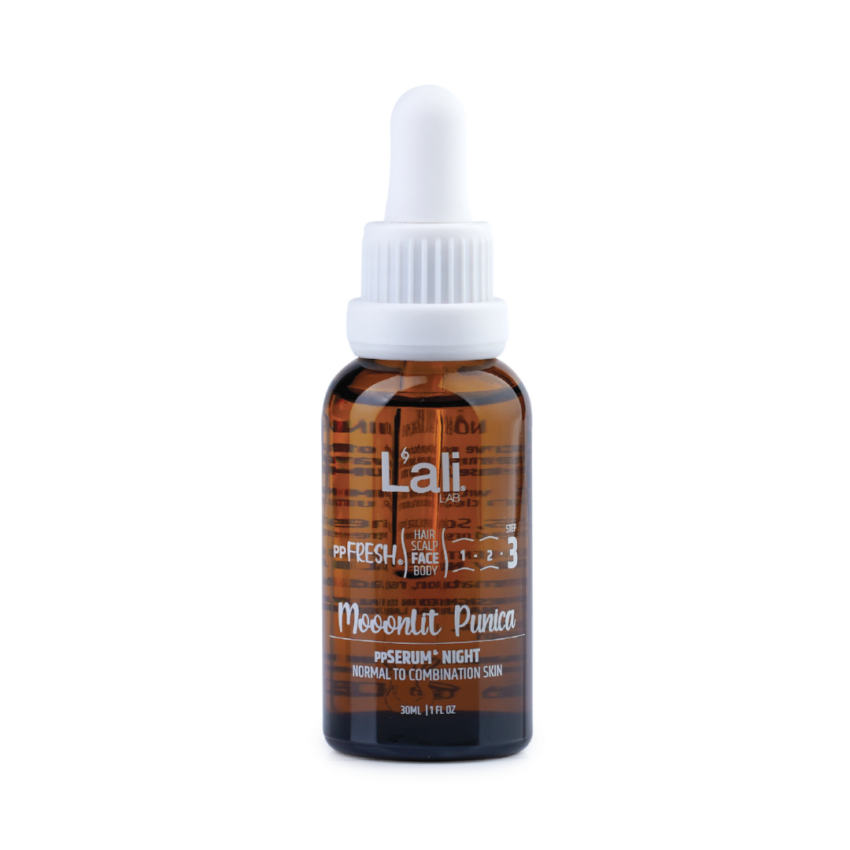
РЕГЕНЕРИРА, ПОДХРАНВА И ПОВИШАВА ЕЛЕСТИЧНОСТТА НА КОЖАТА ПРЕЗ НОЩТА ЗА НОРМАЛНА ДО КОМБИНИРАНА КОЖА НА ЛИЦЕТО И ОКОЛООЧНИЯ КОНТУР За ежедневна употреба
7%
Бърза доставка – до 2 работни дни
РЕГЕНЕРАЦИЯ
Original price was: 37,47 € / 73,28 лв..34,84 € / 68,14 лв. Текущата цена е: 34,84 € / 68,14 лв..
РЕГЕНЕРИРА, ПОДХРАНВА И ПОВИШАВА ЕЛЕСТИЧНОСТТА НА КОЖАТА ПРЕЗ НОЩТА ЗА СУХА КОЖА НА ЛИЦЕТО И ОКОЛООЧНИЯ КОНТУР За ежедневна употреба
Още нещо интересно за теб:



Who
Това е авторска статия подготвена специално за теб от екипа на L‘ali®.
Всички права са запазени©
За подготовката на тази статия са използвани следните научни статии:
Coats JG, Maktabi B, Abou-Dahech MS, Baki G. Blue light protection, part II-Ingredients and performance testing methods. J Cosmet Dermatol. 2021 Mar;20(3)
Mercurio DG, Wagemaker TA, Alves VM, Benevenuto CG, Gaspar LR, Maia Campos PM. In vivo photoprotective effects of cosmetic formulations containing UV filters, vitamins, Ginkgo biloba and red algae extracts. J Photochem Photobiol B. 2015 Dec;153
Burke KE. Interaction of Vit C and E as better Cosmeseuticals. Dermatol Ther. 2007;20:314–9.
Pinnell SR, Yang HS, Omar M, Riviere NM, DeBuys HV, Walker LC. Topical L ascorbic acid percutanous absorbtion studies. Dermatol Surg. 2001;27:137–42
Shanmugam S, Song CK, Kim DD, Choi HG, Yong CS, et al. Skin penetration and retension of LAA2PO4 using multilamellar vesicles. Arch Pharma Res. 2008;31:1652–8
Talakoub L, Neuhaus IM, Yu SS. Cosmeceuticals. In: Alam M, Gladstone HB, Tung RC, editors. Cosmetic dermatology. Vol. 1. Requisites in Dermatology. 1st ed. Gurgaon: Saunders Elsevier; 2009.
Niki E, Traber MG. A history of vitamin E. Ann Nutr Metab. 2012;61(3)
Alberts DS, Goldman R, Xu MJ, Dorr RT, Quinn J, Welch K, Guillen-Rodriguez J, Aickin M, Peng YM, Loescher L, Gensler H. Disposition and metabolism of topically administered alpha-tocopherol acetate: a common ingredient of commercially available sunscreens and cosmetics. Nutr Cancer. 1996;26(2)
Oomah BD, Ladet S, Godfrey DV, Girard B, Liang J, Characteristics of raspberry (Rubus idaeus L.) seed oil, Food Chemistry, 200, 69, 2
Ramadan MF, Fruit Oils: Chemistry and Functionality, Springer, 2019
Michalak M, Kiełtyka-Dadasiewicz A, Oils from fruit seeds and their dietetic and cosmetic significance, 2019, Herba Polonica, 64, 4
Park J-E, Kim HJ, Kim S-N, Kang SH, Kim YJ, Inhibitory Effect of Rosa multiflora hip Extract on UVB-induced Skin Photoaging in Hs68 Fibroblasts, 2015
Valerón-Almazán P, Gómez-Duaso AJ, Santana-Molina N, Bello MAG, Carretero G, Evolution of Post-Surgical Scars Treated with Pure Rosehip Seed Oil, Journal of Cosmetics, Dermatological Sciences and Applications, 2015
Zhang Changcheng;Wu Degang;Wang Jingping;et al.(Institute of Botany,Chinese Academy of Sciences,Beijing), Studies on the Chemical Constituents of Flannel Mullein (Verbascum thapsus), 《Chinese Traditional and Herbal Drugs》 1996-05
KK Kogje, VK Jagdale, SS Dudhe, G Phanikumar and RS Badere, Antioxidant property and phenolic compounds of few important plants from trans-himalayan regions of north india, Journal of Herbal Medicine and Toxicology 4 (2) 145-151 (2010)
F. X. Cunningham, Jr. and E. Gantt, “Genes and enzymes of carotenoid biosynthesis in plants”, Annu. Rev., Plant Physiol. Plant Mol. Biol. 1998. 49
Harold C. Furr and Richard M. Clark, “Intestinal absorption and tissue distribution of carotenoids”, Nutritional Biochemistry 1997. 8
Michelangelo La Placa, Massimiliano Pazzaglia, Antonella Tosti, “Lycopenaemia”, JEADV 2000. 14
Devanand L. Luthriaa, Sudarsan Mukhopadhyaya, Donald T. Krizek, “Content of total phenolics and phenolic acids in tomato (Lycopersicon esculentum Mill.) fruits as influenced by cultivar and solar UV radiation”, Journal of Food Composition and Analysis 2006. 19
Zsuzsanna Fazekas, Dayuan Gao, Rao N. Saladi, Yuhun Lu, Mark Lebwhol and Huachen Wei, “Protective effect of lycopene against ultraviolet B-induced Photodamage”, Nutrition and Cancer, 2003. 47(2)
Wilhelm Stahl, Ulrike Heinrich, Sheila Wiseman,Olaf Eichler, Helmut Sies and Hagen Tronnier, “Dietary Tomato Paste Protects against Ultraviolet Light–Induced Erythema in Humans” The journal of nutrition 2001.
A.V. Rao, L.G. Rao, “Carotenoids and human health” Pharmacological Research 55 (2007).
Giampapa et al, Topical composition for skin treatment to reduce lines and wrinkles of the face and body using a dual dna repair mechanism to address damage caused by aging and ultra – violet induced damage to the skin with combination of skin turgor enhancement compounds, Patent No . : US 9 , 968
Giulia Pastorino, Carla Marchetti, Barbara Borghesi, Laura Cornara, Stefaniа Ribulla, Bruno Burlando, Biological activities of the legume crops Melilotus officinalis and Lespedeza capitata for skin care and pharmaceutical applications, Industrial Crops and Products, Volume 96, February 2017
KOJO ESHUN & QIAN HE (2004) Aloe Vera: A Valuable Ingredient for the Food, Pharmaceutical and Cosmetic Industries—A Review, Critical Reviews in Food Science and Nutrition, 44:2, 91-96
Cioca et al., Method Of Enhancing Biological Activity Of Plant Extracts Patent Application Publication (10) Pub.
Darr D, Dunston S, Faust H, Pinnell S. Effectiveness of antioxidants (vitamin C and E) with and without sunscreens as topical photoprotectants. Acta Derm Venereol. 1996 Jul;76(4)