IQ: I-question, Neutraceuticals
Natural, clinically proven active ingredients
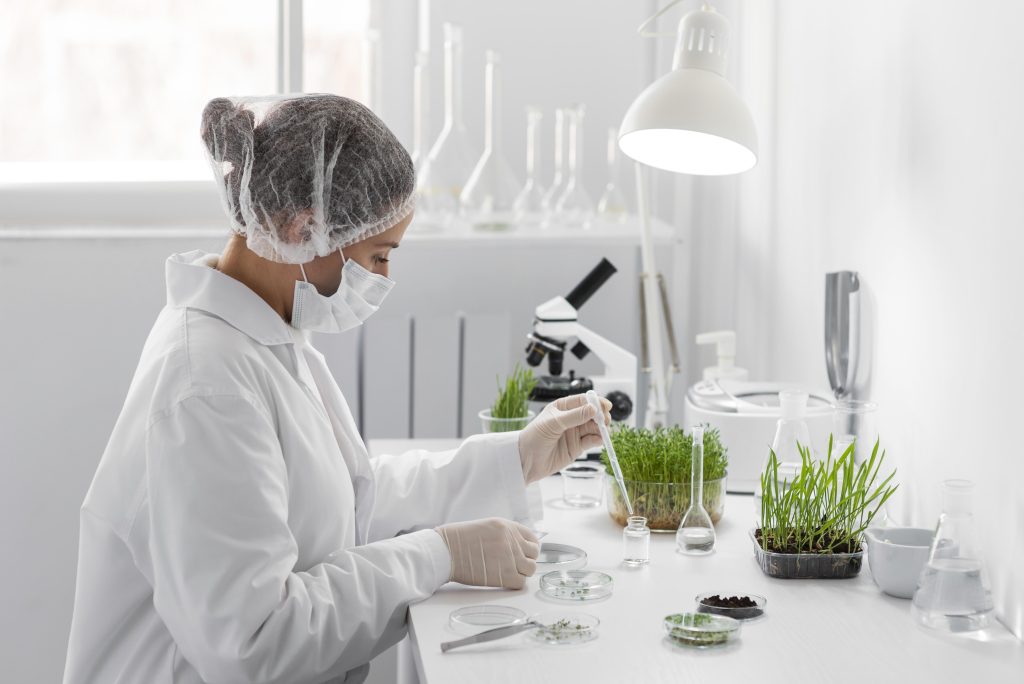
Choosing ingredients can be just as challenging as choosing the right cosmetic product. Through collaboration with leading specialists in innovative cosmetics*, the L‘ali® team selected the most advanced ingredients and combined them into synergistic complexes designed to meet the individual needs of the skin and hair.
*The University of Bologna, Italy; a natural products laboratory in Toulouse, France; Ali-Ma Natural Laboratory, Bulgaria; and specialists in natural and innovative products from Brazil and South Korea
Hydrolysed Chestnut Extract
INCI: Hydrolyzed Chestnut Extract (and) Citric Acid (and) Sodium Benzoate (and) Potassium Sorbate
Source: Organically certified Horse Chestnut, Italy
Technology: Bioliquefaction Technology
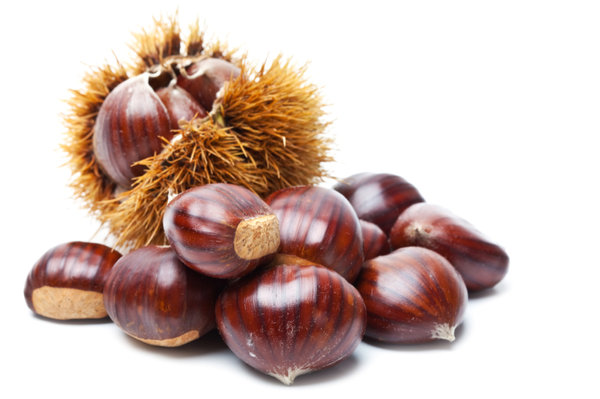
Description: Coats each hair strand, repairs damaged hair and seals the hair cuticle. This reduces moisture loss, helping the hair remain healthier and better hydrated. Horse Chestnut Extract improves the hair’s ability to retain moisture, even when exposed to high temperatures during curling, straightening or blow-drying.
✓ Repairs damaged hair (ex vivo test)
✓ Keeps the hair healthy and moisturised (+30%, ex vivo test)
✓ Protects the hair during damaging treatments (+30%, ex vivo test)
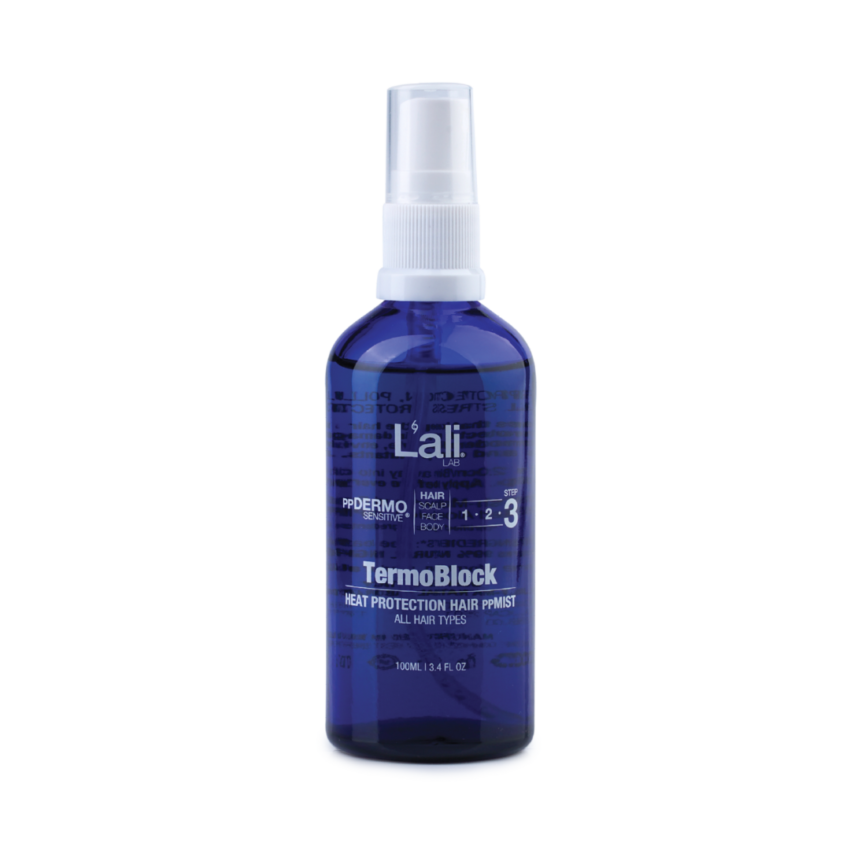
Step 3 ● PROTECTION AND REGENERATION
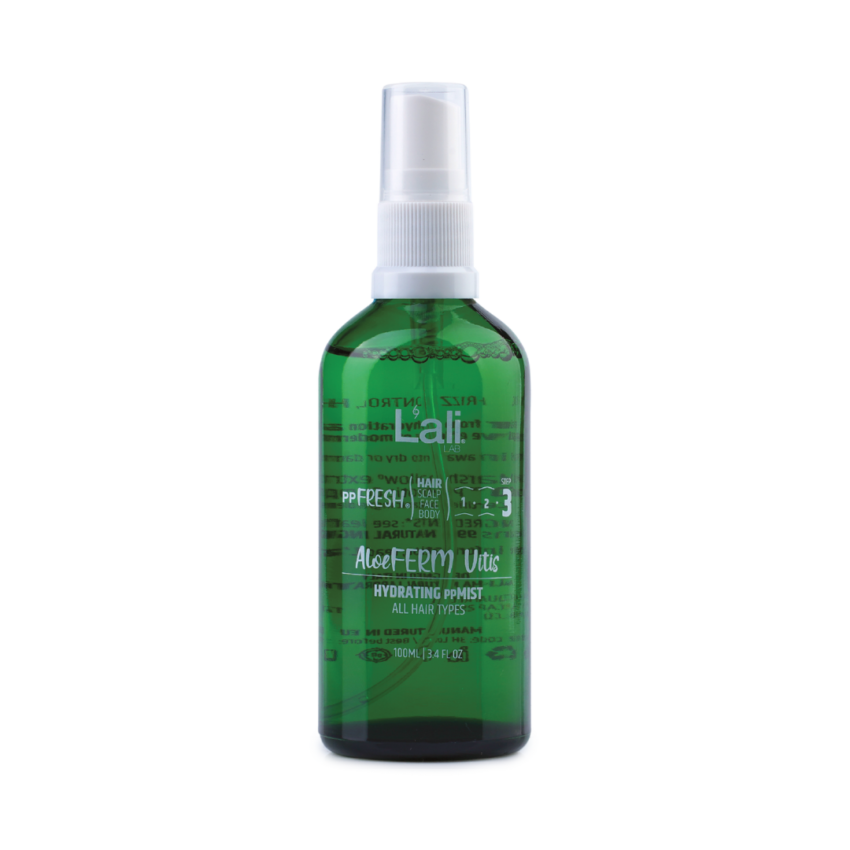
Step 3 ● PROTECTION AND REGENERATION
● PROTECTS ● STRENGTHENS ● HYDRATES ●
for all hair types
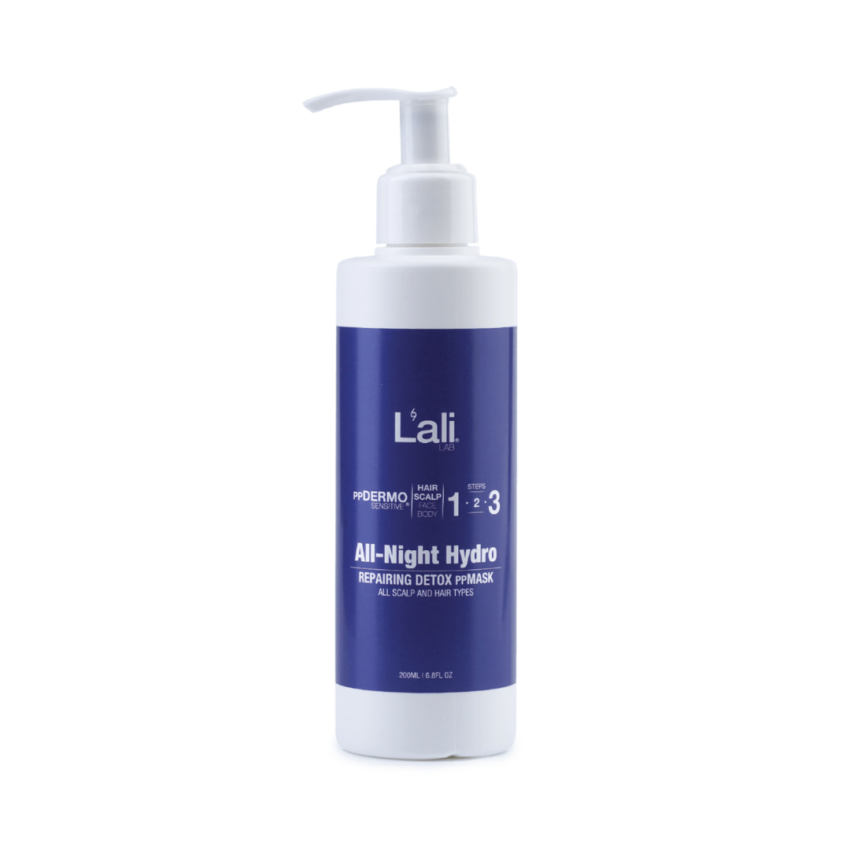
Step 1 ● DETOX
● DETOXIFIES ● REGENERATES ● HYDRATES ●
for all hair and scalp types, including sensitive scalps

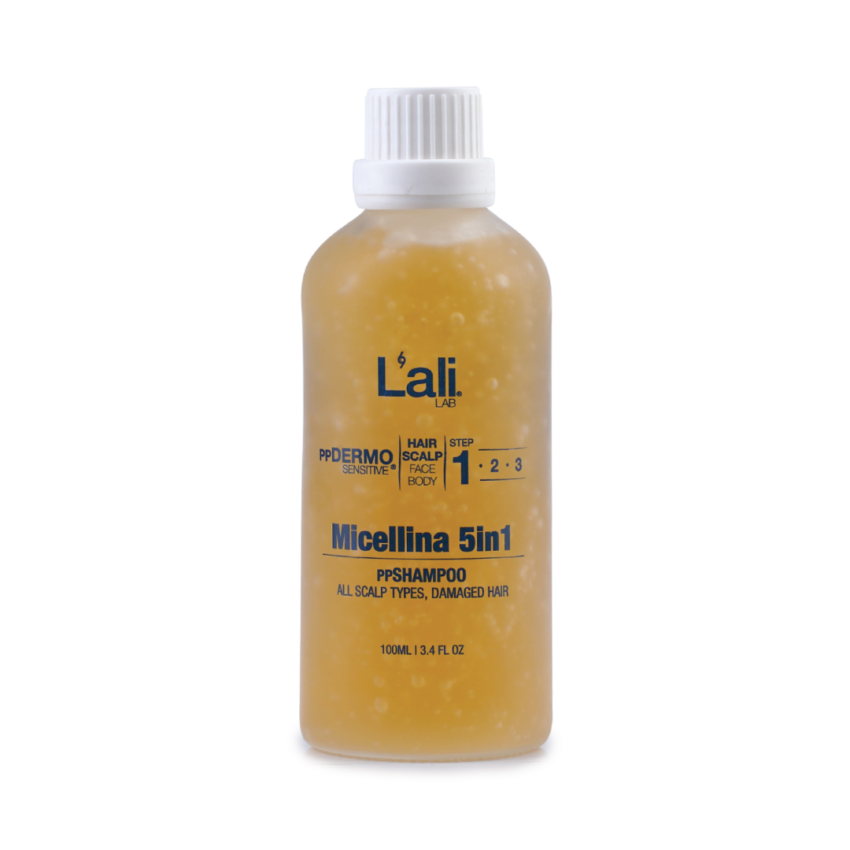
Step 1 ● DETOX
● CLEANSES ● REGENERATES ● NOURISHES ●
for damaged hair and all scalp types, including sensitive scalp
Wilkinson, J.A. & Brown, A.M.G.. (2000). Horse Chestnut – Aesculus Hippocastanum: Potential Applications in Cosmetic Skin‐care Products. International journal of cosmetic science.
Reuter, J., Wölfle, U., Korting, H.C. and Schempp, C. (2010), Which plant for which skin disease? Part 2: Dermatophytes, chronic venous insufficiency, photoprotection, actinic keratoses, vitiligo, hair loss, cosmetic indications. JDDG: Journal der Deutschen Dermatologischen Gesellschaft, 8
Jayaprakasha G.K., Singh R.P., Sakariah K.K., 2001, Antioxidant activity of grape seed (Vitis vinifera) extracts on peroxidation models in vitro, Food Chemistry, Volume 73, Issue 3, May 2001
Grape, Ginger and Frankincense Extracts
INCI: Glycerin (and) Vitis Vinifera (Grape) Fruit Extract (and) Zingiber Officinale (Ginger) Root Extract (and) Boswellia Serrata Resin Extract
Source: Grapes, Ginger Root and Frankincense Resin
Technology: Bioliquefaction Technology
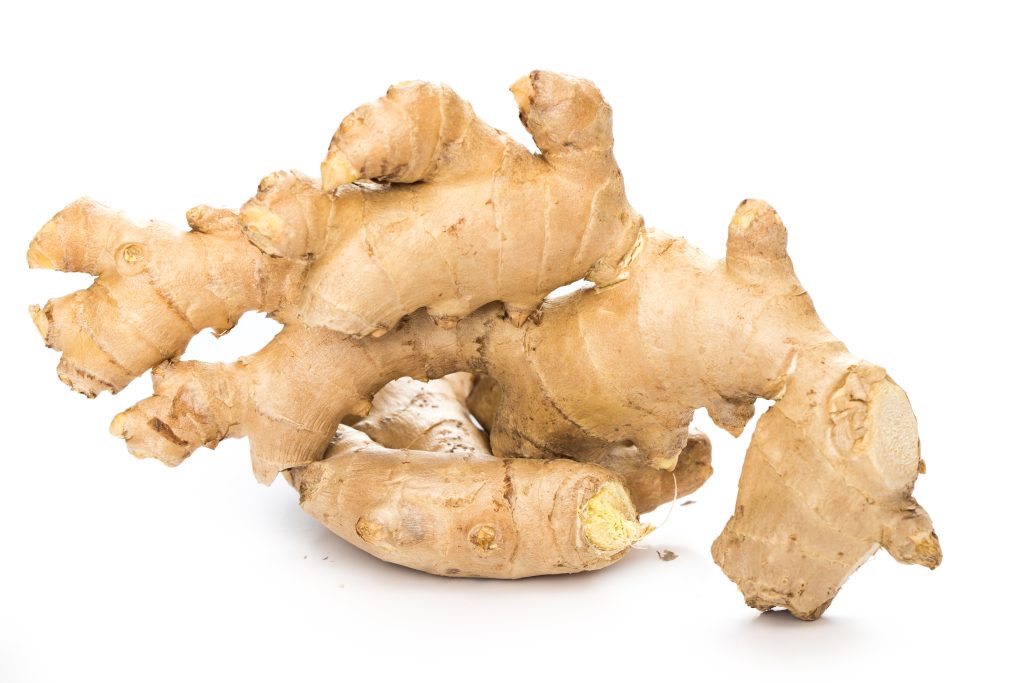
Description: Clinically proven to help reduce the appearance of skin lesions while promoting the restoration and balance of the skin and scalp’s normal condition. Rebalance, purify and soothe the skin with this clinically proven ingredient. Ginger, frankincense and grapes have long been known and used in different parts of the world as medicinal plants and as part of purifying rituals. Different classes of molecules from each plant can act as purifying agents and bacteriostatic compounds against potentially pathogenic species, helping soothe, protect and condition the skin. They do not alter the skin’s physiological state, helping restore the balance of its microbiota and reduce imperfections, redness and discomfort associated with acne and dandruff.
✓ Reduces interleukin release (in vitro tests)
✓ Has a bacteriostatic effect against Staphylococcus epidermidis and Malassezia furfur (in vitro tests)
✓ Rebalances the skin microbiota in cases of dysbiosis (in vivo test)
✓ Does not affect the skin’s healthy microflora (in vivo test)
✓ Reduces skin redness (-18.4%, in vivo test)
✓ Reduces the number of acne-related skin lesions (-13.3%, in vivo test)
✓ Reduces flaking associated with dandruff (-17.0%, in vivo test)
✓ Promotes the restoration of the scalp’s normal condition (in vivo test)
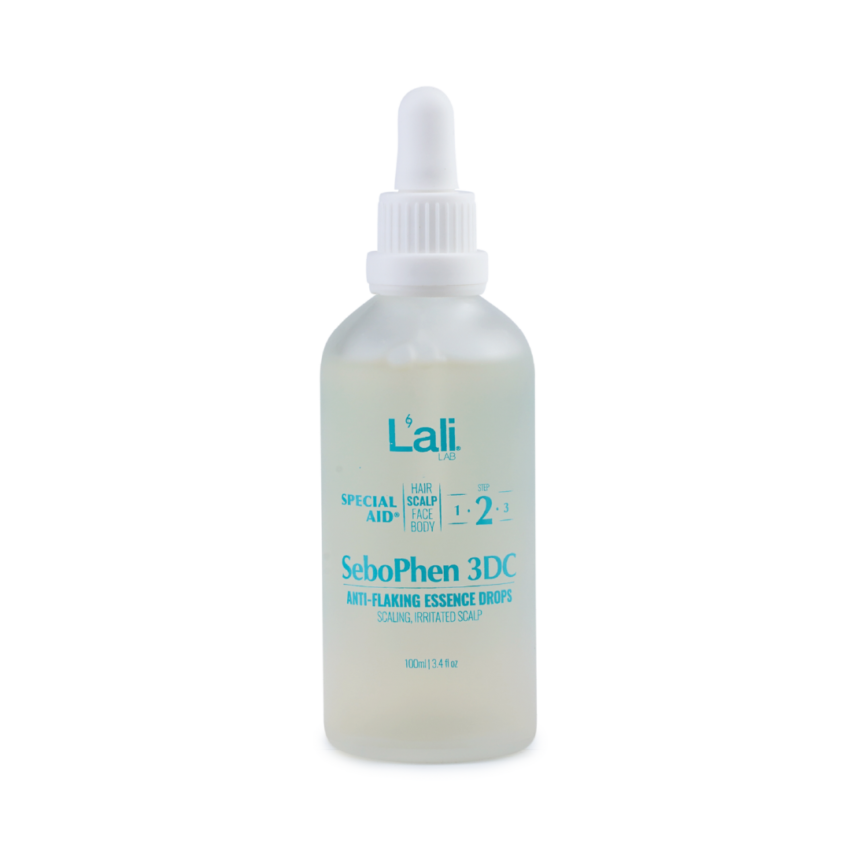
Step 2 ● SPECIALIZED CARE
ANTI-DANDRUFF ESSENCE DROPS FOR HAIR AND SCALP | SeboPhen 3DC | 100ml
● STRENGTHENS ● SOOTHES ● BALANCES ●
for flaky, irritated and sensitive scalp
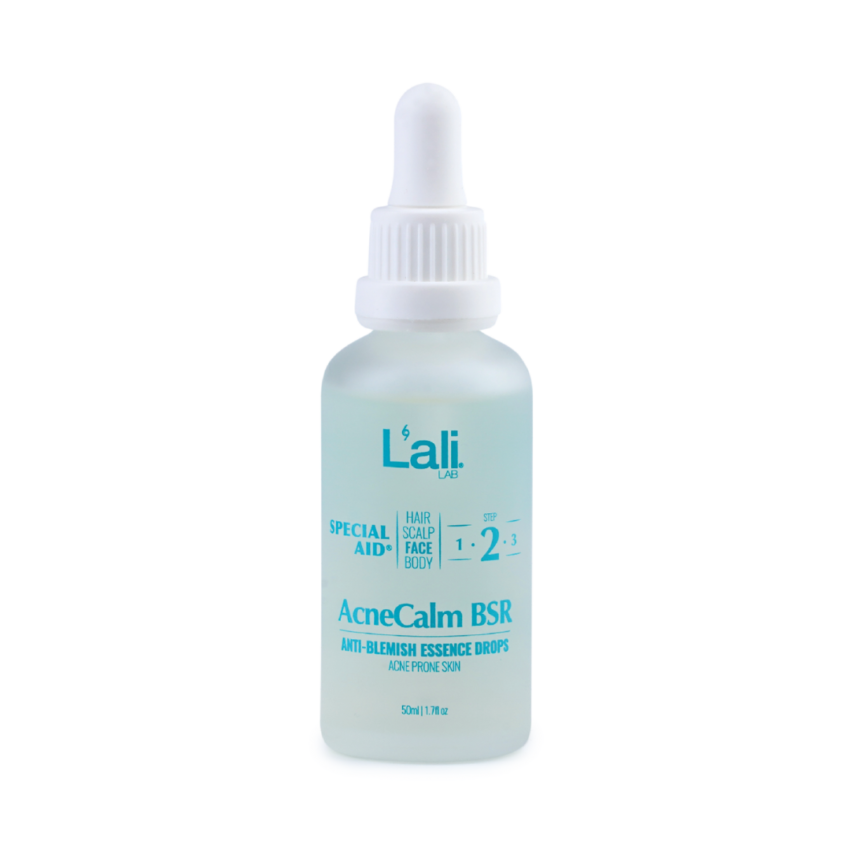
Step 2 ● SPECIALIZED CARE
● BALANCES ● STRENGTHENS ● SOOTHES ●
for acne-prone skin, including sensitive skin
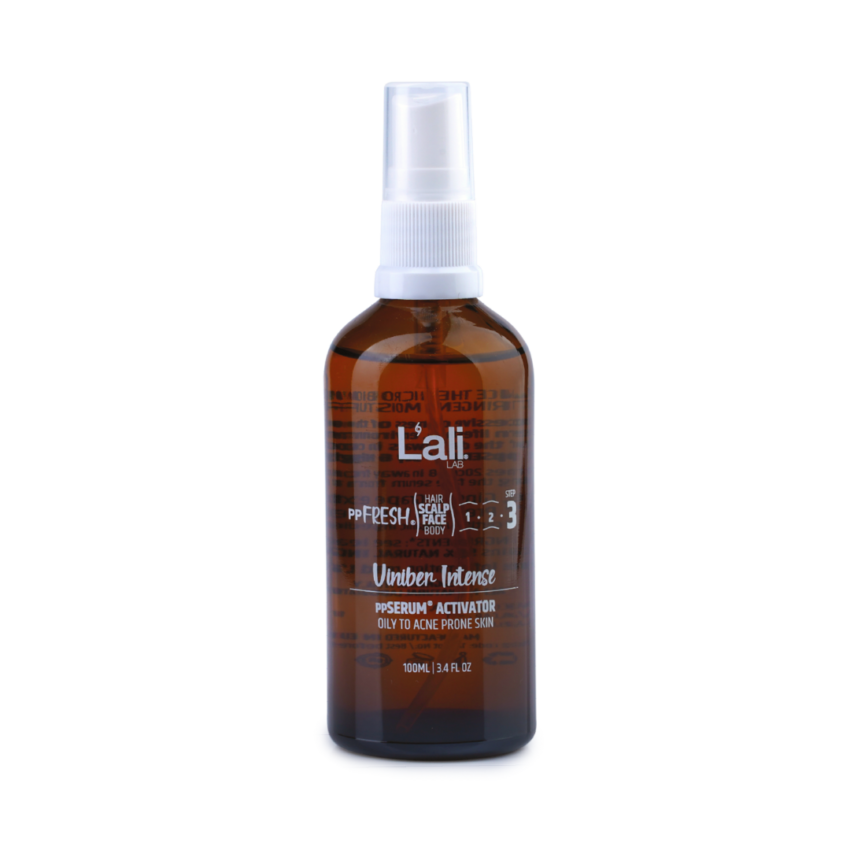
Step 3 ● PROTECTION AND REGENERATION
● NOURISHES ● BALANCES ● STRENGTHENS ●
for oily and acne-prone skin and the eye contour
Jayaprakasha G.K., Singh R.P., Sakariah K.K., 2001, Antioxidant activity of grape seed (Vitis vinifera) extracts on peroxidation models in vitro, Food Chemistry, Volume 73, Issue 3, May 2001, Pages 285-290
Minghetti, Paola & Sosa, Silvio & Cilurzo, Francesco & Casiraghi, Antonella & Alberti, Elisabetta & Tubaro, Aurelia & Montanari, Luisa. (2007). Evaluation of the Topical Anti-Inflammatory Activity of Ginger Dry Extracts from Solutions and Plasters. Planta medica. 73. 1525-30.
Siddiqui M. Z. (2011). Boswellia serrata, a potential antiinflammatory agent: an overview. Indian journal of pharmaceutical sciences, 73(3), 255–261.
White Truffle Extract
INCI: Tuber Magnatum Extract
Source: White Truffle from the Alba region, Italy
Technology: Bioliquefaction Technology
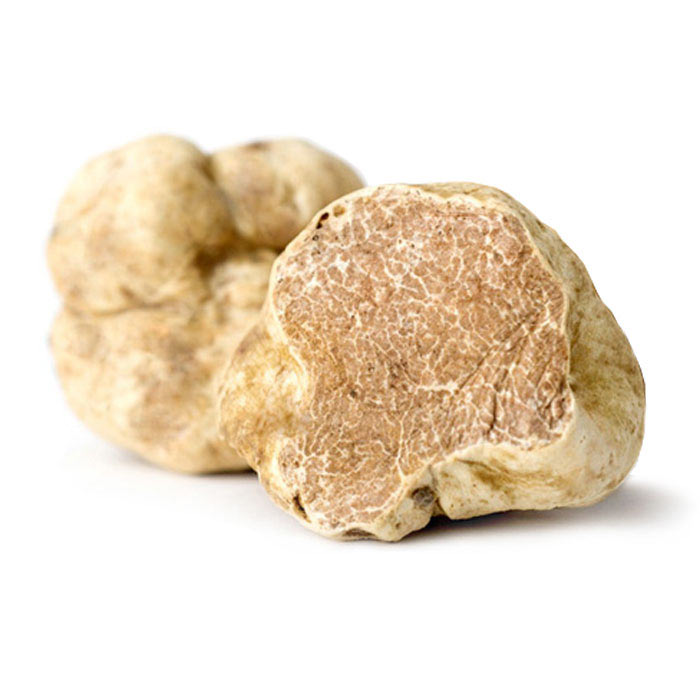
Description: White Truffle is the rarest known variety among the different types of truffles and grows only in a specific region of Italy. Clinical studies have shown that it increases elasticity and hydration while reducing wrinkles and puffiness by positively modulating the expression of anti-ageing, repair and protective genes.
✓ Positive epigenetic modulation of anti-ageing, repair and protective genes (in vitro tests)
✓ Increases skin elasticity (+35%, in vivo test)
✓ Reduces wrinkles (-12.8%, in vivo test)
✓ Reduces puffiness (-14%, in vivo test)
✓ Increases skin elasticity and provides a “filler” effect (+0.39 mm, in vivo test)
✓ Reduces under-eye wrinkles and bags (in vivo test)
✓ Increases skin hydration (+45%, in vivo test)
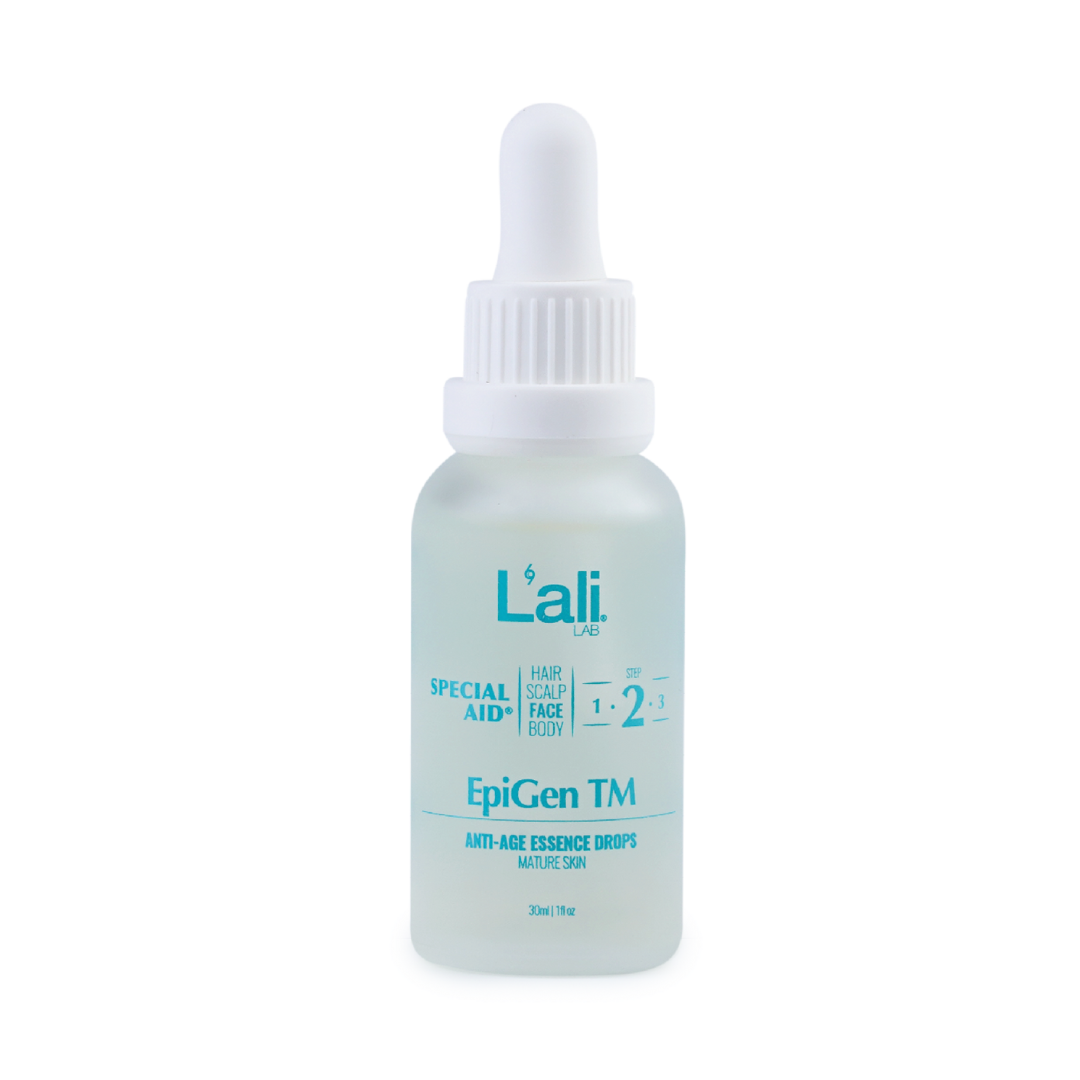
Step 2 ● SPECIALIZED CARE
● SMOOTHS ● REJUVENATES ● BRIGHTENS ●
for all mature skin types, including sensitive skin
Barua A., Mohapatra S., Das R., Mangal S., Tripathy S. (Department of Dermatology, Apollo Hospital), Clinical Evidence‑Based Paradigm of Topical Anti-Aging Using Tuber Magnatum Extract, Clinical, Cosmetic and Investigational Dermatology, 2022, Volume 15, Pages 2395–2405.
Giacomoni P., Descamps A., Girard D. (IFF – International Flavors & Fragrances), Topical Compositions Comprising Tuber Magnatum Extract for Anti-Aging Treatment, European Patent EP3609469B1, Granted December 2021.
Tănasie G., Marutescu L., Băncescu G., Popescu R., Boiangiu R.S. (University of Bucharest, Faculty of Biology), Assessment of the Antioxidant Properties and Therapeutic Potential of Romanian White Truffles (Tuber magnatum), Preprints.org, DOI:10.20944/preprints202210.0282.v1, 2022.
Hydrolysed Mullein Flower Extract
INCI: Glycerin, Hydrolyzed Verbascum Thapsus Flower, Citric Acid, Sodium Benzoate, Potassium Sorbate
Source: Mediterranean Mullein Flowers
Technology: Bioliquefaction Technology
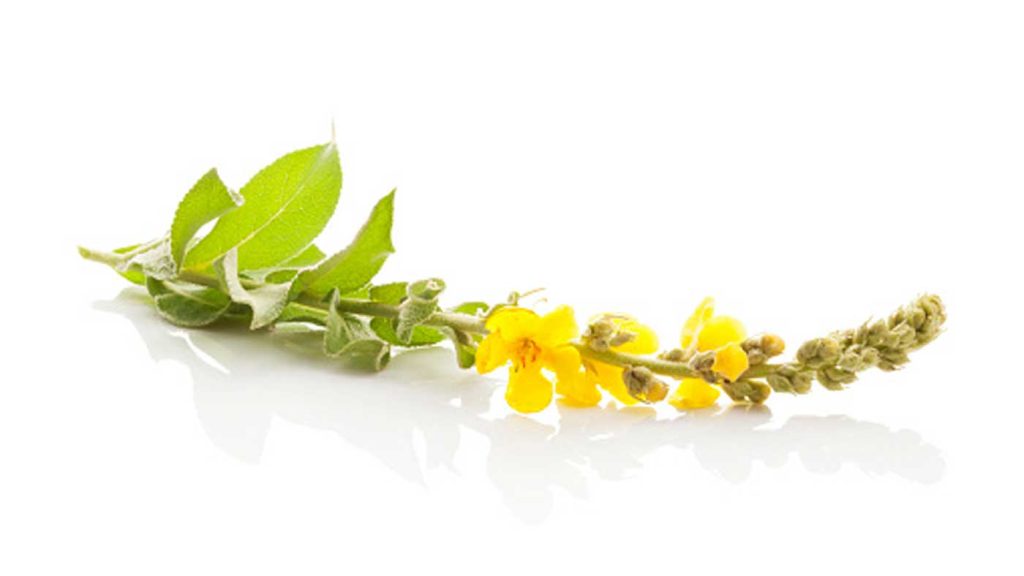
Description: Hydrolysed Mullein Flower Extract is obtained using an innovative technology based on bioliquefaction. It absorbs harmful high-energy UV radiation and transforms part of this energy into visible light, making the skin appear more vibrant and radiant.
✓ Produces light through photoluminescence (in vitro tests)
✓ Increases skin radiance (+5.5 ΔL a.u., in vivo test)
✓ Improves hair brightness and shine (up to +10.3 ΔL a.u., ex vivo test)
✓ Protects against photo-oxidative stress induced by UV-blue light (in vitro tests)
✓ Inhibits tyrosinase and melanin synthesis (in vitro tests)
Zhang Changcheng;Wu Degang;Wang Jingping;et al.(Institute of Botany,Chinese Academy of Sciences,Beijing), Studies on the Chemical Constituents of Flannel Mullein (Verbascum thapsus), 《Chinese Traditional and Herbal Drugs》 1996-05
KK Kogje, VK Jagdale, SS Dudhe, G Phanikumar and RS Badere, Antioxidant property and phenolic compounds of few important plants from trans-himalayan regions of north india, Journal of Herbal Medicine and Toxicology 4 (2) 145-151 (2010)
Hydrolysed Tomato Skins
INCI: Hydrolyzed Tomato Skin, Citric Acid, Sodium Benzoate, Potassium Sorbate
Source: Tomato Skins
Technology: Bioliquefaction Technology, Aqouse Microdisperse Carotenoids Technology (A.M.C.)
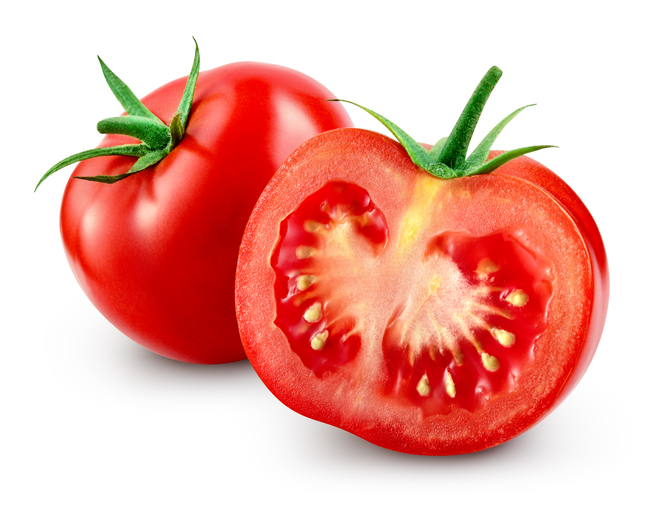
Description: Lycopene is a proven powerful antioxidant—approximately 100 times more potent than vitamin E. It helps protect the body from oxidative stress, which contributes to accelerated skin ageing and the appearance of age spots. Lycopene is found in high concentrations in tomato skins, but because it is fat-soluble, it is relatively difficult to absorb. By hydrolysing tomato skins and applying the new patented A.M.C. (Aqouse Microdisperse Carotenoids) Technology, a highly active lycopene-containing ingredient is created that can be incorporated even into entirely water-based products.
✓ Natural water-soluble product containing lycopene
✓ Efficient delivery of UV-protective molecules to the skin
✓ Anti-pollution effect (+40%, in vitro tests)
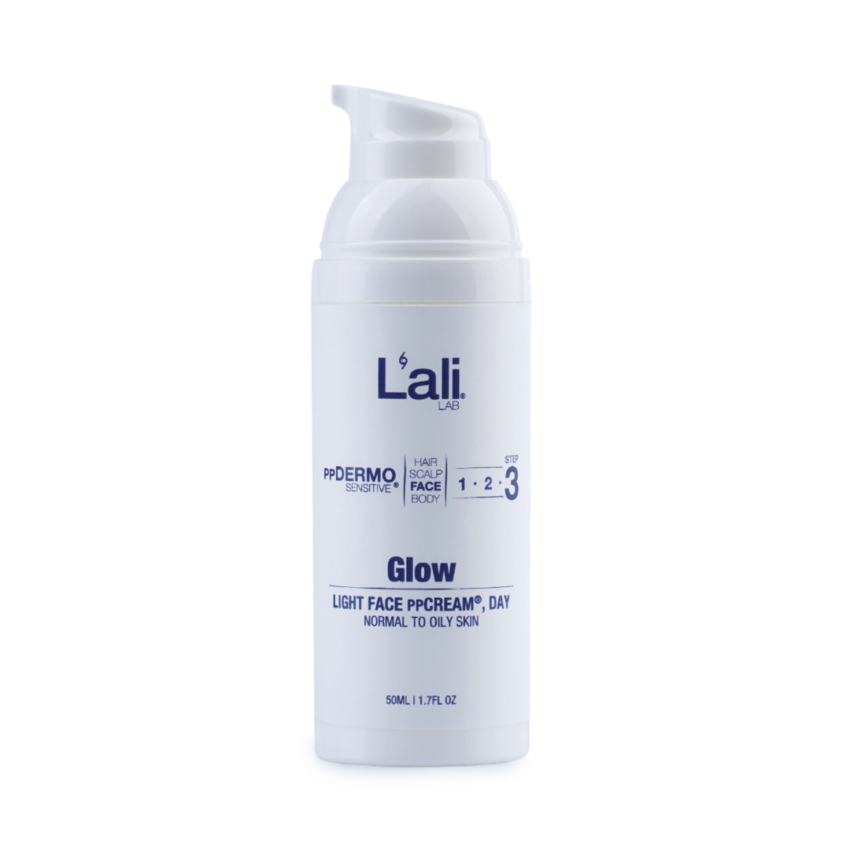
Step 3 ● PROTECTION AND REGENERATION
● PROTECTS ● NOURISHES ● ENHANCES RADIANCE ●
for normal to oily skin, including sensitive skin
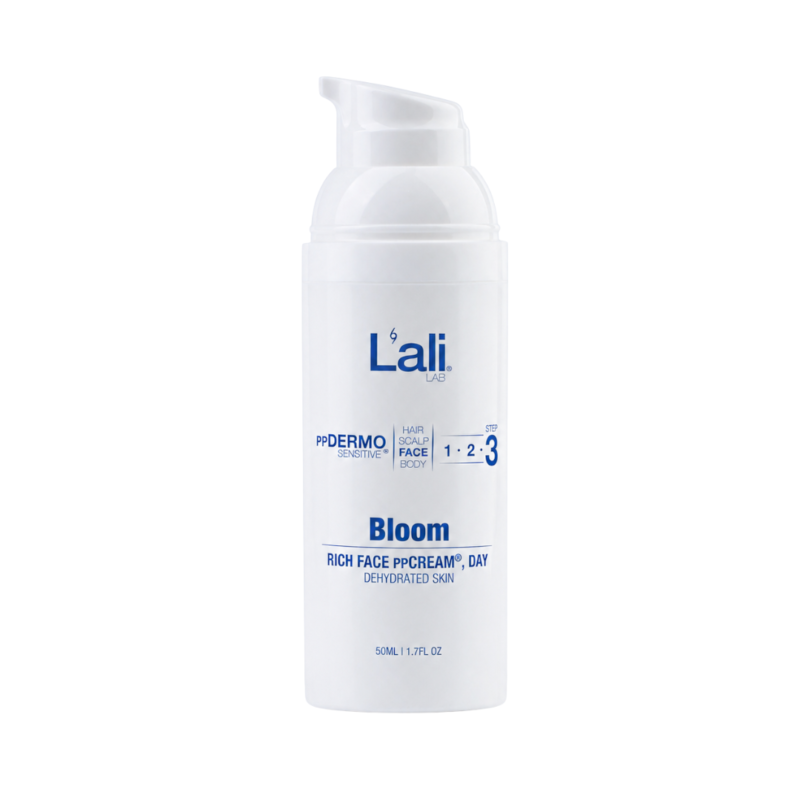
Step 3 ● PROTECTION AND REGENERATION
● PROTECTS ● HYDRATES ● NOURISHES ●
for dry and mature skin, including sensitive skin
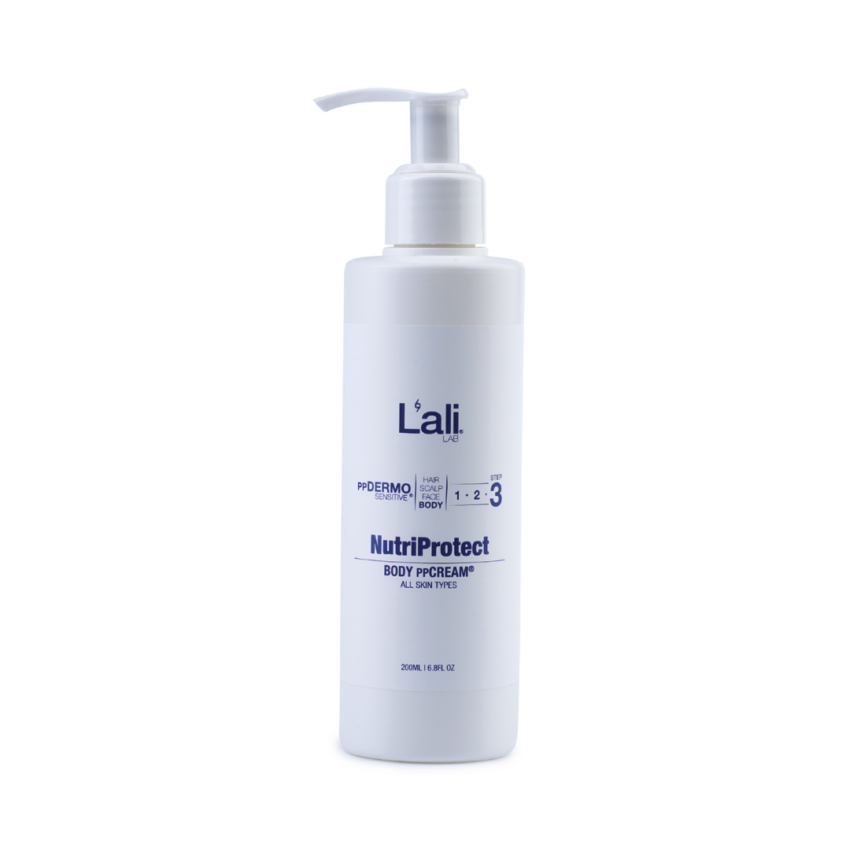
Step 3 ● PROTECTION AND REGENERATION
● NOURISHES ● HYDRATES ● PROTECTS ●
for all skin types, including sensitive skin
F. X. Cunningham, Jr. and E. Gantt, “Genes and enzymes of carotenoid biosynthesis in plants”, Annu. Rev., Plant Physiol. Plant Mol. Biol. 1998. 49
Harold C. Furr and Richard M. Clark, “Intestinal absorption and tissue distribution of carotenoids”, Nutritional Biochemistry 1997. 8
Michelangelo La Placa, Massimiliano Pazzaglia, Antonella Tosti, “Lycopenaemia”, JEADV 2000. 14
Devanand L. Luthriaa, Sudarsan Mukhopadhyaya, Donald T. Krizek, “Content of total phenolics and phenolic acids in tomato (Lycopersicon esculentum Mill.) fruits as influenced by cultivar and solar UV radiation”, Journal of Food Composition and Analysis 2006. 19
Zsuzsanna Fazekas, Dayuan Gao, Rao N. Saladi, Yuhun Lu, Mark Lebwhol and Huachen Wei, “Protective effect of lycopene against ultraviolet B-induced Photodamage”, Nutrition and Cancer, 2003. 47(2)
Wilhelm Stahl, Ulrike Heinrich, Sheila Wiseman,Olaf Eichler, Helmut Sies and Hagen Tronnier, “Dietary Tomato Paste Protects against Ultraviolet Light–Induced Erythema in Humans” The journal of nutrition 2001.
A.V. Rao, L.G. Rao, “Carotenoids and human health” Pharmacological Research 55 (2007).
Barley Seed Extract
INCI: Hordeum Vulgare Seed Extract
Source: Barley
Technology: Extraction

Description: Barley Extract is designed to soothe the discomfort and redness associated with skin irritation, making it especially suitable for sensitive skin. Based on DNA analysis, the results demonstrate a powerful soothing effect while improving the expression of genes involved in the skin’s barrier function, stress response and repair mechanisms.
✓ Reduces the expression of pro-inflammatory biomarkers (in vitro tests)
✓ Reduces redness (-70.59%, in vivo test)
✓ Soothes burning sensations and discomfort (-59%, in vivo test)
✓ Improves fibroblast proliferation (+66.1%, in vivo test)
✓ Increases collagen production (+36.1%, in vivo test)
✓ Increases hyaluronic acid production (+7.4%, in vivo test)
✓ Increases elastin production (+97.1%, in vivo test)
Lee, N.Y., Kim, Y., Choi, I. et al. Biological activity of barley (Hordeum vulgare L.) and barley by-product extracts. Food Sci Biotechnol 19, 785–791 (2010).
Gul, S., Ahmed, S., Kifli, N. et al. Multiple pathways are responsible for Anti-inflammatory and Cardiovascular activities of Hordeum vulgare L.. J Transl Med 12, 316 (2014)
Rapeseed and Tung Oil Copolymer
INCI: Brassica Campestris/Aleurites Fordii Oil Copolymer
Source: Rapeseed and Tung (China Wood) Oil
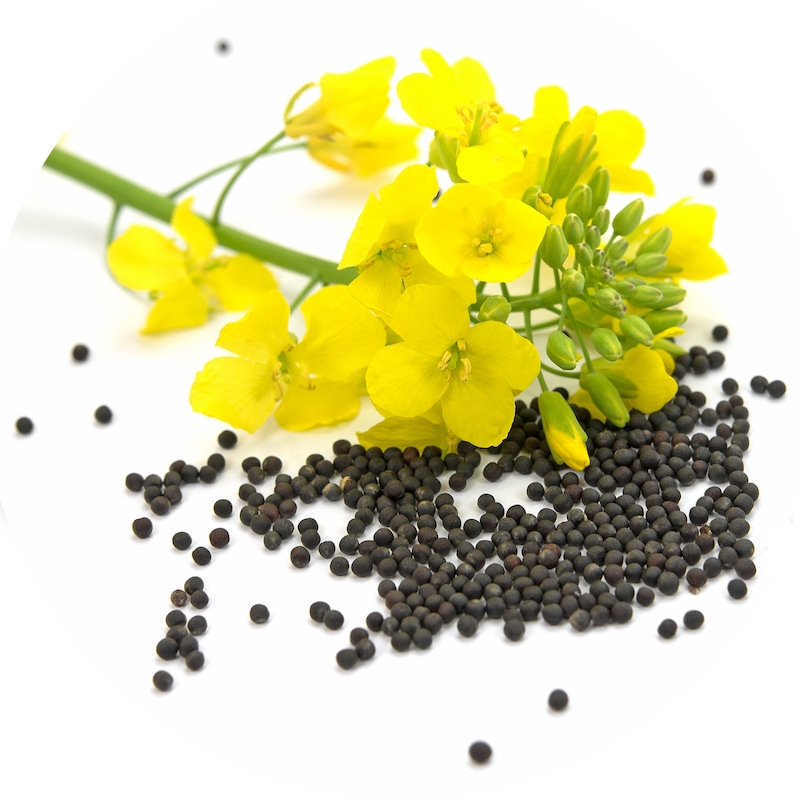
Description: A biodegradable plant-based polymer made from tung and rapeseed oils that forms a flexible film on the skin for smooth, even coverage. Urban pollution visibly accelerates skin ageing and contributes to hyperpigmentation, uneven texture, dehydration, fine lines and wrinkles. This copolymer remains on the skin for an extended period, providing superior protection against damage caused by pollutants and environmental aggressors.
✓ Protects the skin from damage caused by irritating chemicals and environmental pollutants (in vivo test)
✓ Reduces noticeable irritation (-68%, in vivo test)
✓ Helps retain moisture (+25%, in vivo test)
✓ Enhances the effectiveness of UV filters (by up to 39.6%, in vivo test)
✓ Improves water resistance (+71%, in vivo test)
✓ Forms a flexible film for comfortable, even coverage
Step 3 ● PROTECTION AND REGENERATION
● PROTECTS ● NOURISHES ● ENHANCES RADIANCE ●
for normal to oily skin, including sensitive skin
Step 3 ● PROTECTION AND REGENERATION
● PROTECTS ● HYDRATES ● NOURISHES ●
for dry and mature skin, including sensitive skin
Step 3 ● PROTECTION AND REGENERATION
● NOURISHES ● HYDRATES ● PROTECTS ●
for all skin types, including sensitive skin
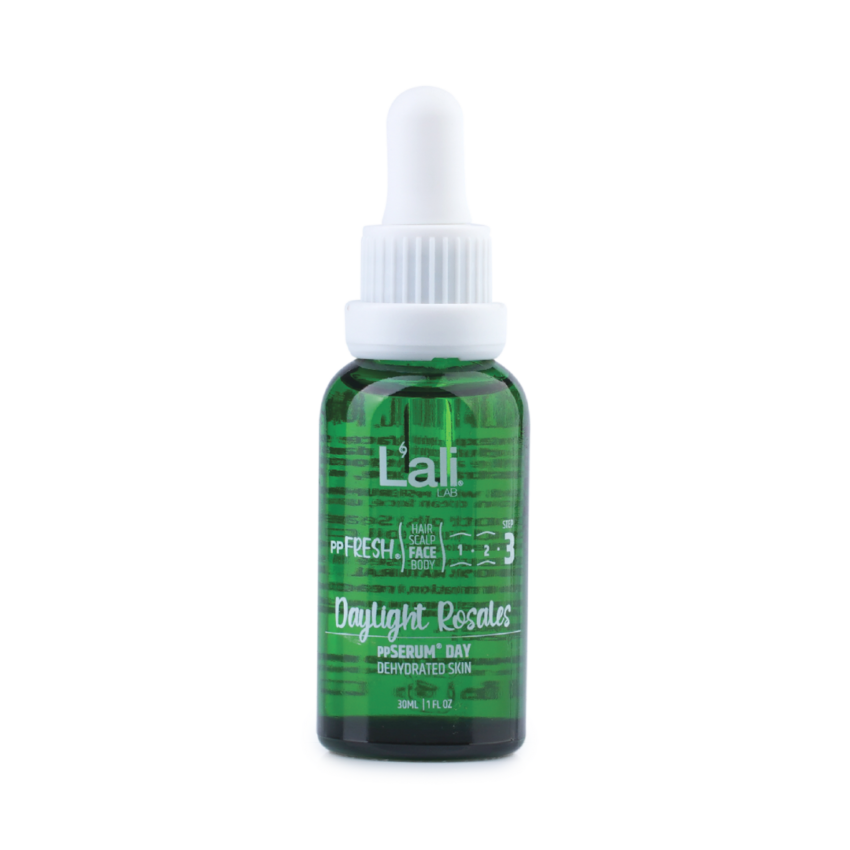
Step 3 ● PROTECTION AND REGENERATION
● PROTECTS ● HYDRATES ● BRIGHTENS ●
for dehydrated skin and eye contour
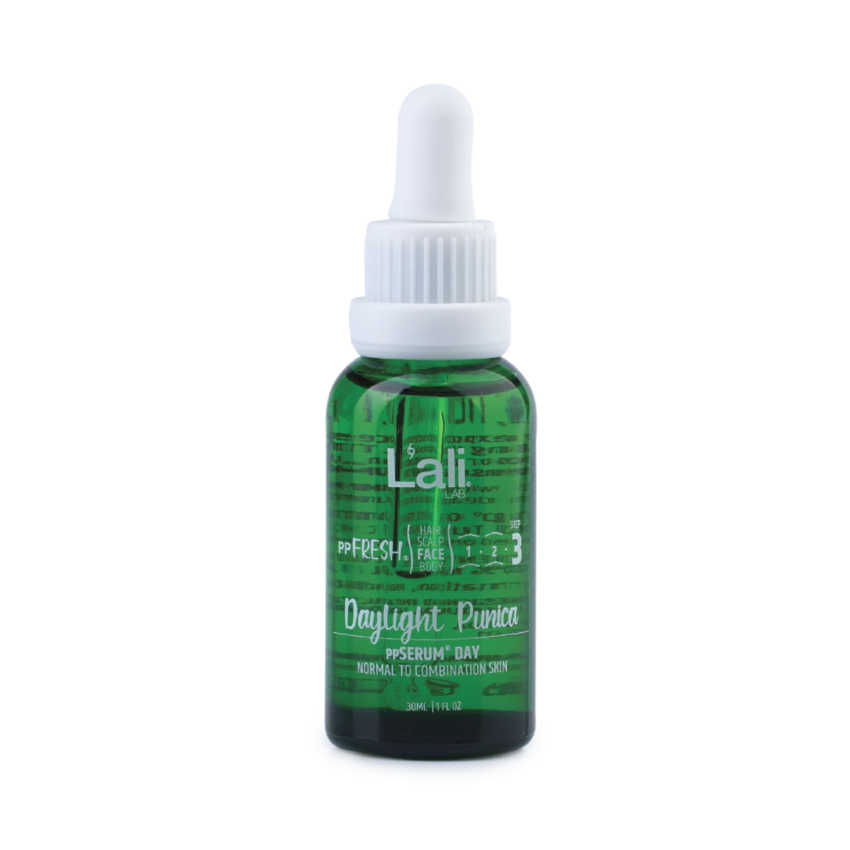
Step 3 ● PROTECTION AND REGENERATION
● PROTECTS ● BALANCES ● HYDRATES ●
for normal to combination skin and eye contour
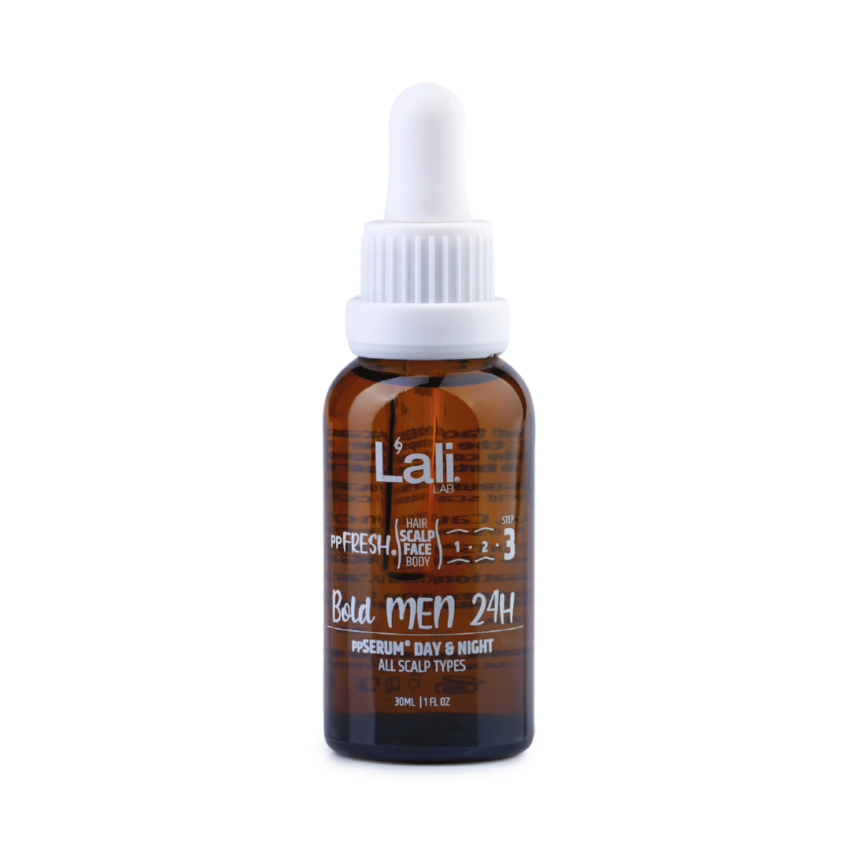
Step 3 ● PROTECTION AND REGENERATION
● PROTECTS ● REGENERATES ● HYDRATES ●
for all skin and scalp types, as well as all beard
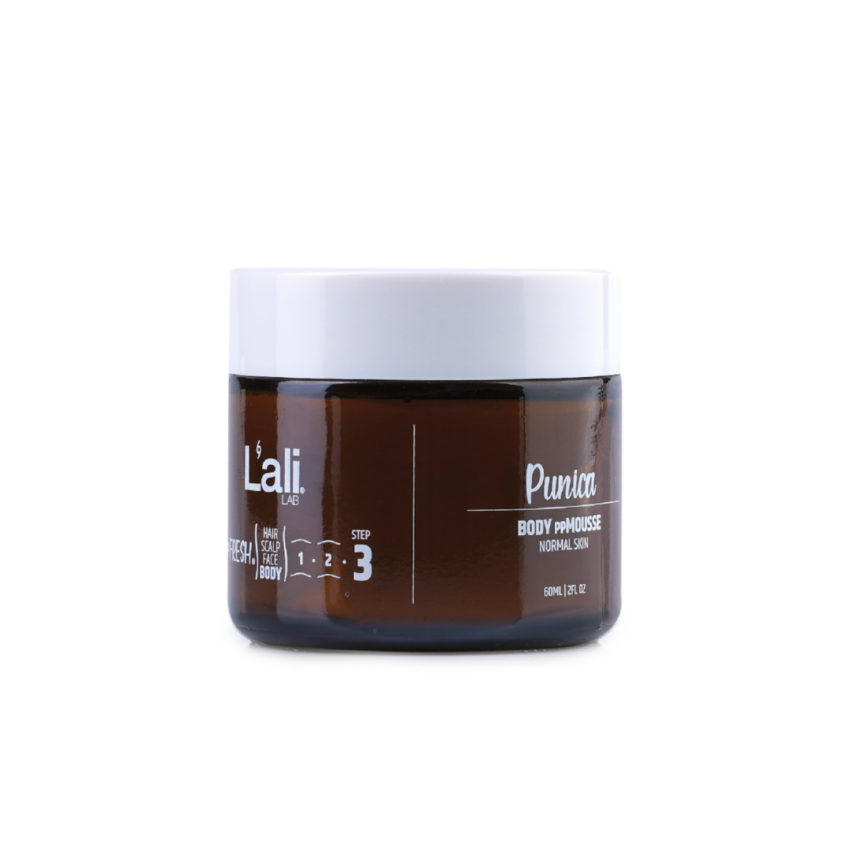
Step 3 ● PROTECTION AND REGENERATION
● NOURISHES ● REGENERATES ● SOFTENS ●
for normal body skin
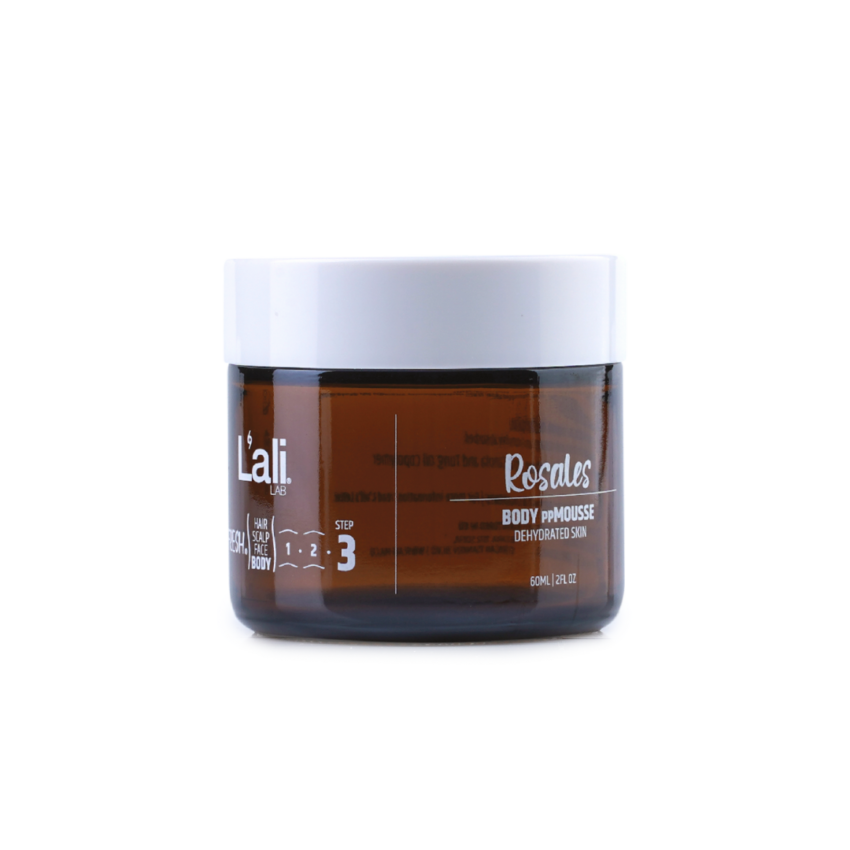
Step 3 ● PROTECTION AND REGENERATION
● HYDRATES ● REGENERATES ● NOURISHES ●
for dehydrated body skin
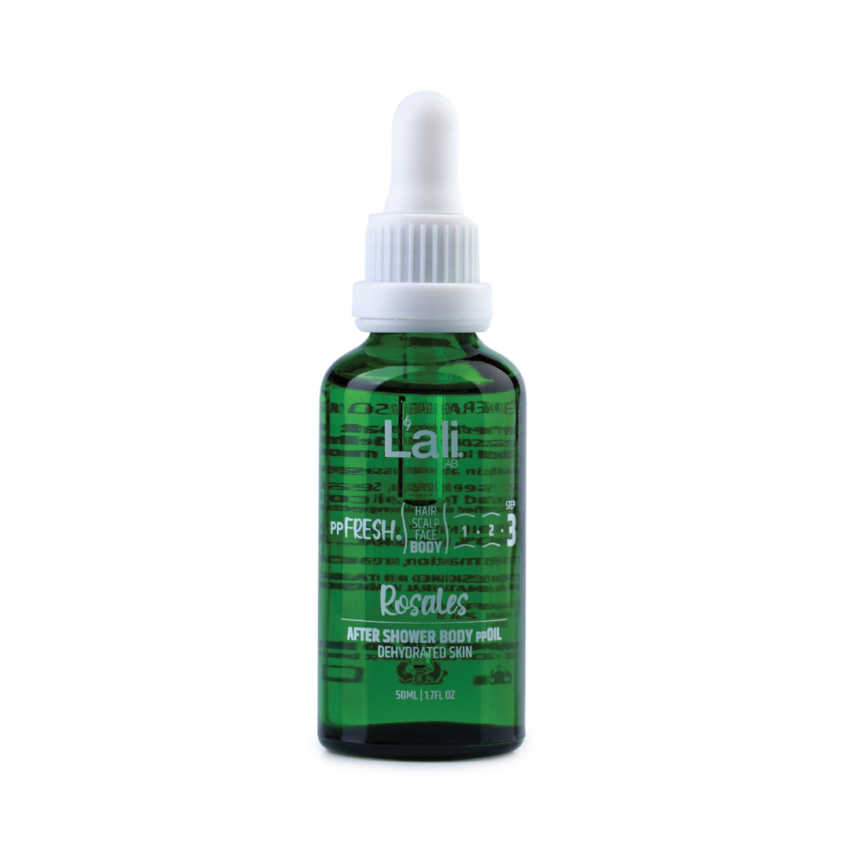
Step 3 ● PROTECTION AND REGENERATION
● REGENERATES ● HYDRATES ● PROTECTS ●
for dehydrated skin
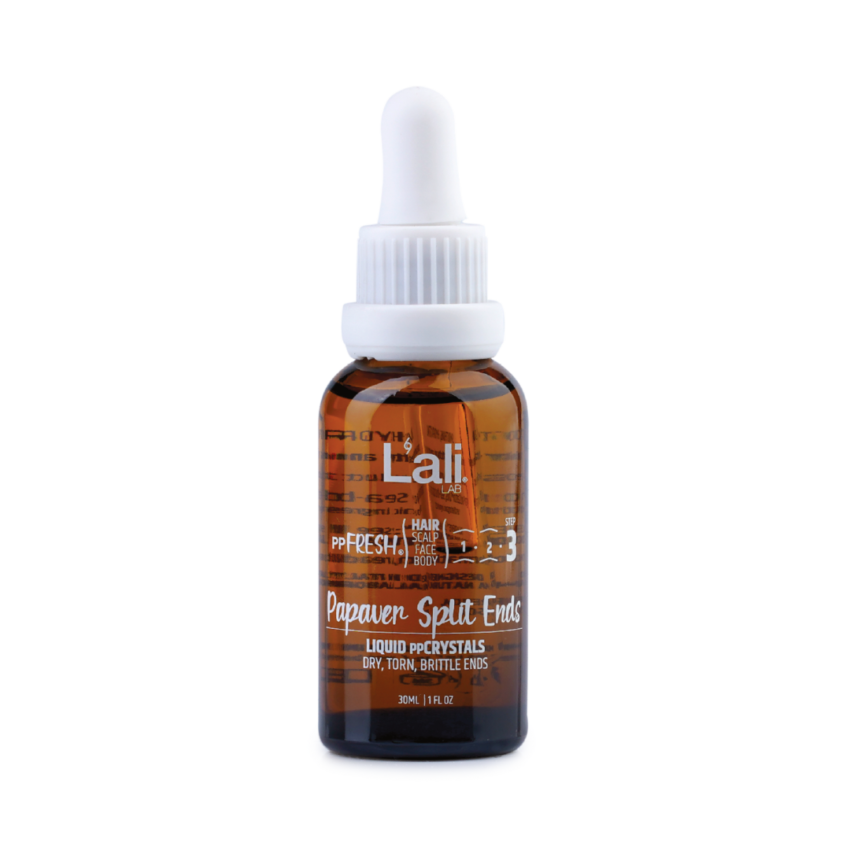
Step 3 ● PROTECTION AND REGENERATION
● NOURISHES ● HYDRATES ● PROTECTS ●
for dry, damaged and split ends
Giampapa et al, Topical composition for skin treatment to reduce lines and wrinkles of the face and body using a dual dna repair mechanism to address damage caused by aging and ultra – violet induced damage to the skin with combination of skin turgor enhancement compounds, Patent No . : US 9 , 968
Lespedeza Extract
INCI: Propanediol, Water, Lespedeza Capitata Leaf/Stem Extract
Source: Korean Bush Clover from South Korea
Technology: Extraction
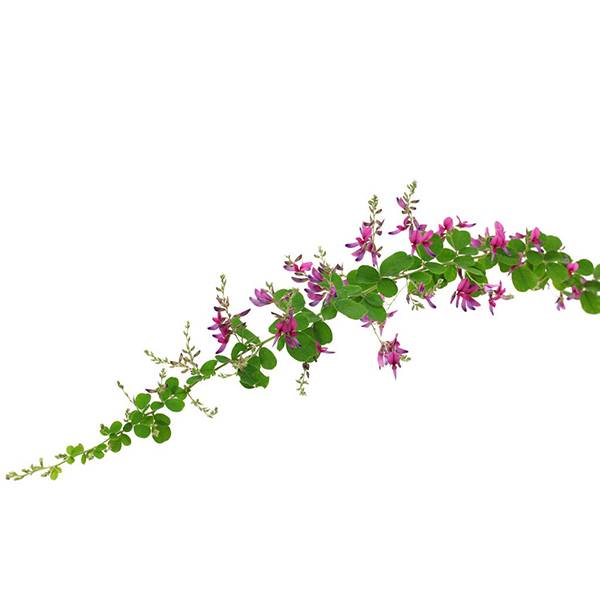
Description: Lespedeza Extract is an innovative active ingredient that counteracts the effects of disruption to the skin’s circadian rhythm caused by everyday stressors. It improves skin tone while reducing puffiness and dark circles around the eyes.
✓ Counteracts the negative effects of blue light (in vitro test)
✓ Resynchronises the circadian rhythm of skin cells (in vitro test)
✓ Provides a powerful anti-fatigue effect, reducing puffiness and dark circles (-18%, in vivo test)
✓ Improves microcirculation and skin tone (+35%, in vivo test)
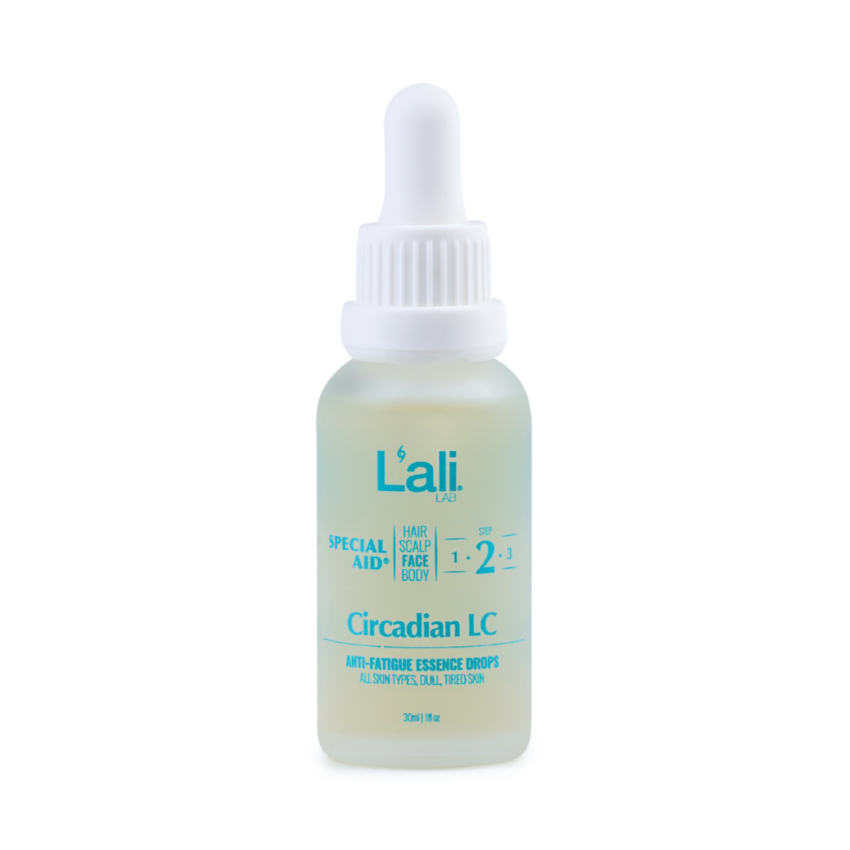
Step 2 ● SPECIALIZED CARE
● RESYNCHRONISES ● BRIGHTENS ● EVENS SKIN TONE ●
for all skin types, including sensitive skin
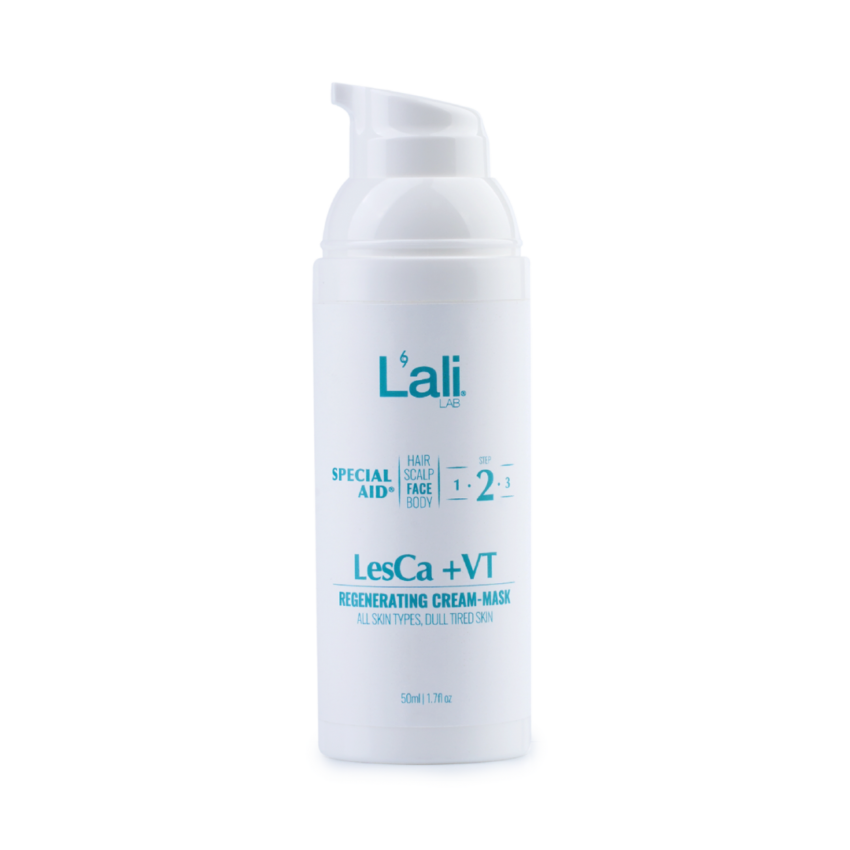
Step 2 ● SPECIALIZED CARE
● RESTORES ● BRIGHTENS ● NOURISHES ●
for all skin types with a tired, dull appearance, including sensitive skin
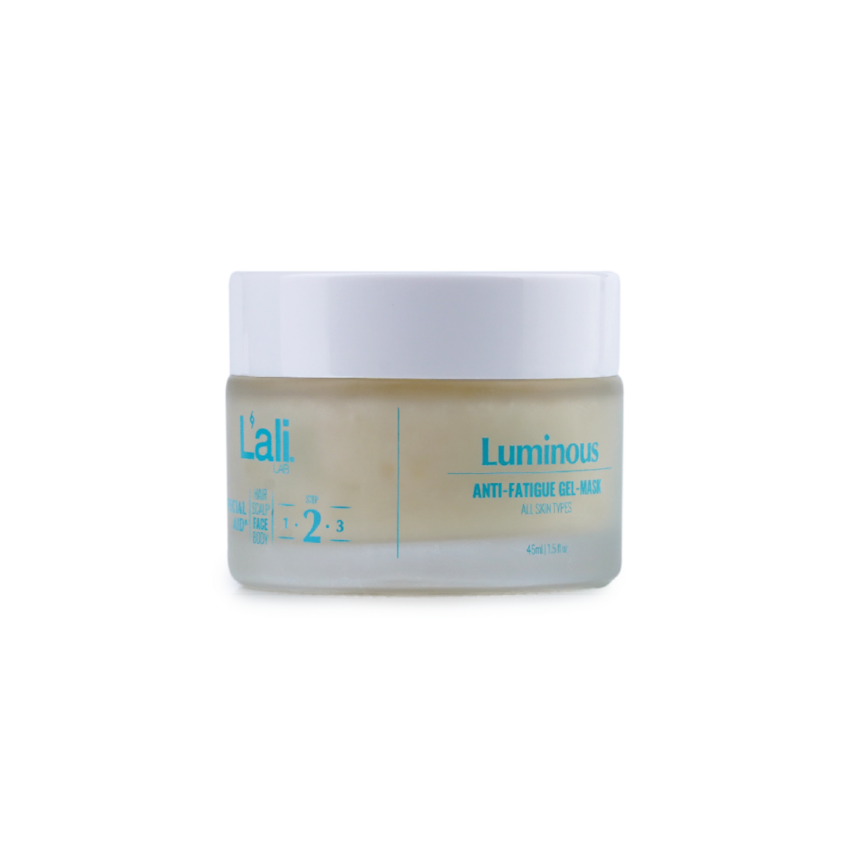
Step 2 ● SPECIALIZED CARE
● BRIGHTENS ● REGENERATES ● HYDRATES ●
for all skin types showing signs of fatigue, including sensitive skin
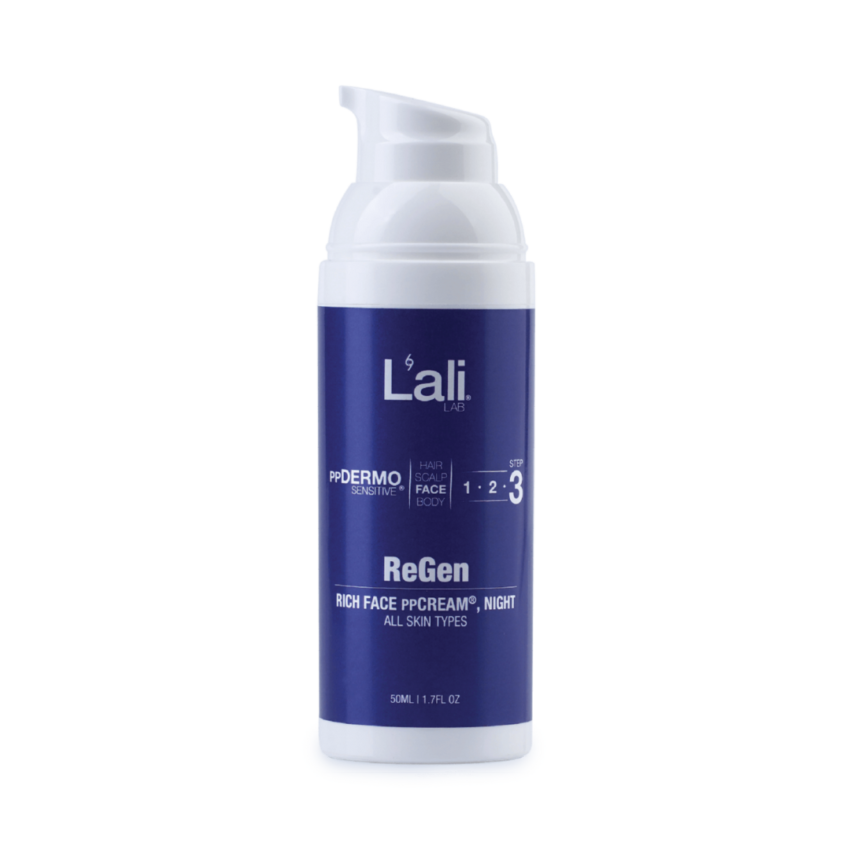
Step 3 ● PROTECTION AND REGENERATION
● REGENERATES ● NOURISHES ● HYDRATES ●
for all facial skin types, including sensitive skin
Giulia Pastorino, Carla Marchetti, Barbara Borghesi, Laura Cornara, Stefaniа Ribulla, Bruno Burlando, Biological activities of the legume crops Melilotus officinalis and Lespedeza capitata for skin care and pharmaceutical applications, Industrial Crops and Products, Volume 96, February 2017
Centella Asiatica Extract
INCI: Water, Pentylene Glycol, Madecassoside
Source: Centella Asiatica / Gotu Kola
Technology: Extraction
Description: Madecassoside is a natural active ingredient extracted from Centella asiatica, a well-known herb used in traditional Chinese medicine. It is a triterpenoid glycoside valued for its recognised soothing effect. It helps inhibit melanin synthesis and brighten the skin, visibly reducing dark spots associated with skin imbalances.
✓ Regulates the melanin synthesis pathway (-23%, in vitro test)
✓ Targets visible dark spots caused by UVB stress (-20%, in vivo test)
✓ Brightens the skin of the underarms (-5.2% after 8 weeks, in vivo test)
✓ Refines and evens the skin tone (in vivo test)
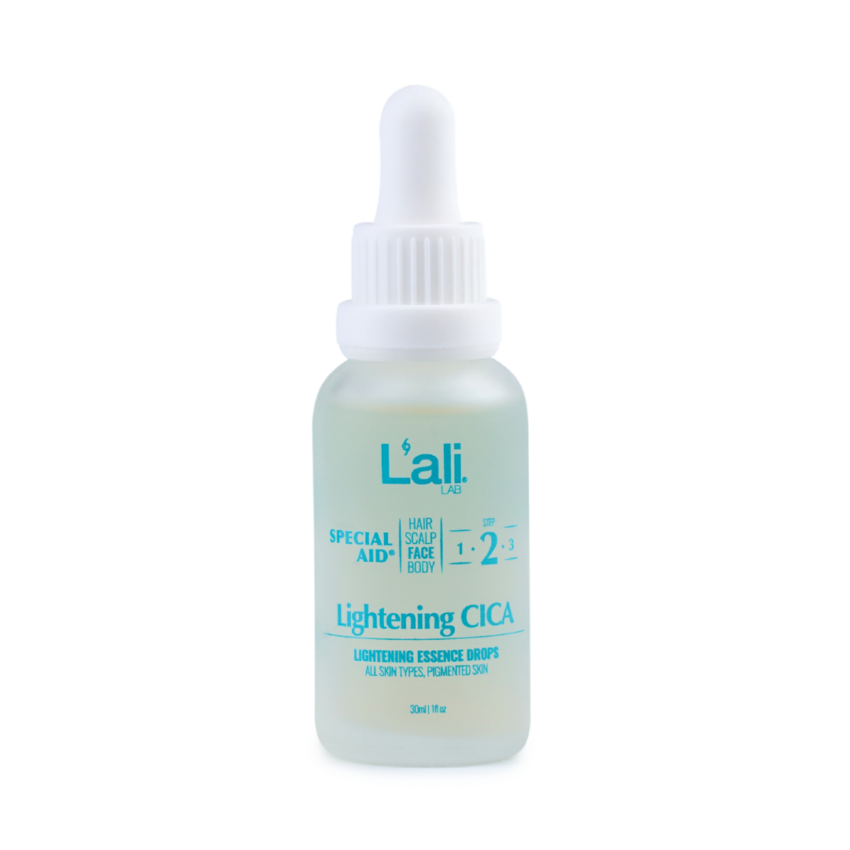
Step 2 ● SPECIALIZED CARE
● LIGHTENS ● BRIGHTENS ● HYDRATES ●
for skin with pigmentation concerns, including sensitive skin
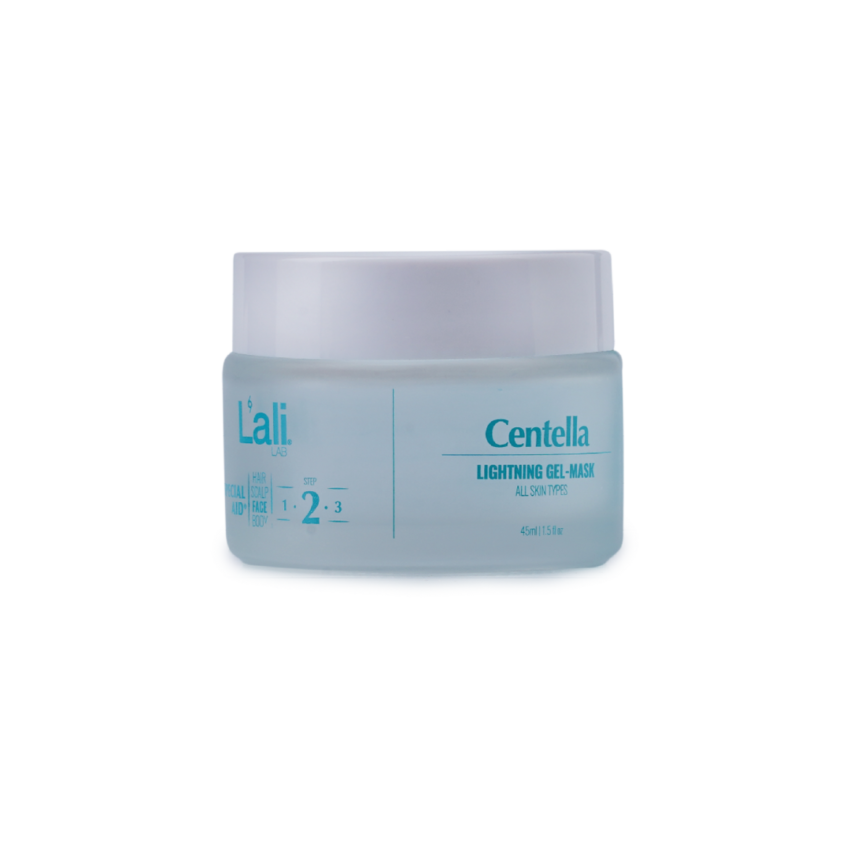
Step 2 ● SPECIALIZED CARE
● LIGHTENS ● BRIGHTENS ● REGENERATES ●
for all skin types, including skin with pigmentation concerns and sensitive skin
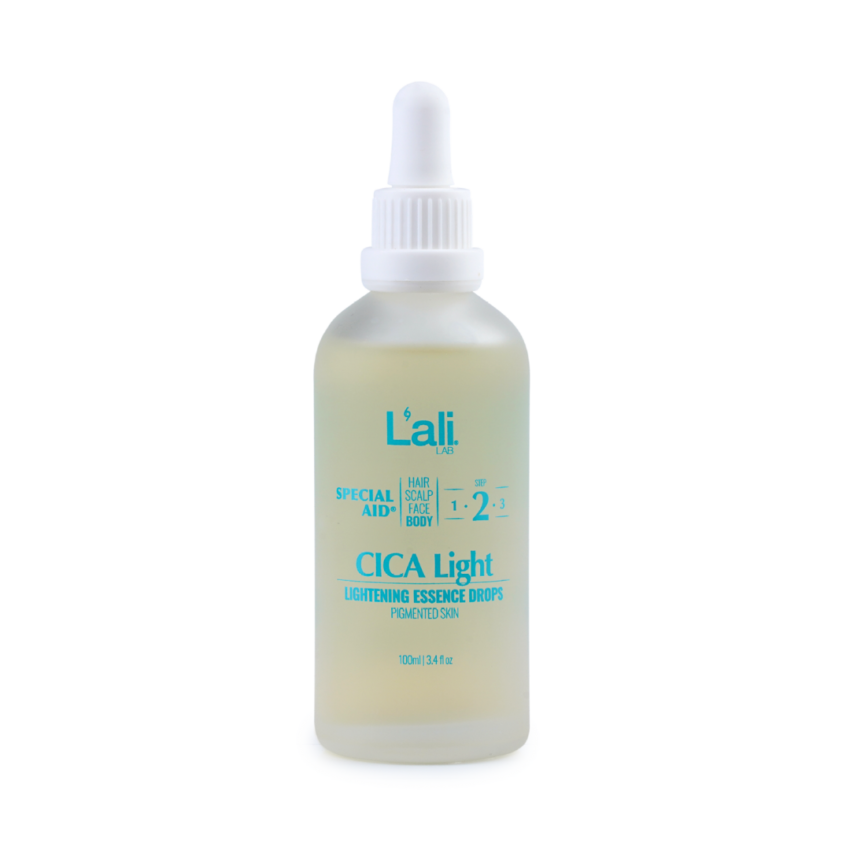
Step 2 ● SPECIALIZED CARE
● EVENS SKIN TONE ● HYDRATES ● SOOTHES ●
for all skin types with pigmentation, including sensitive skin
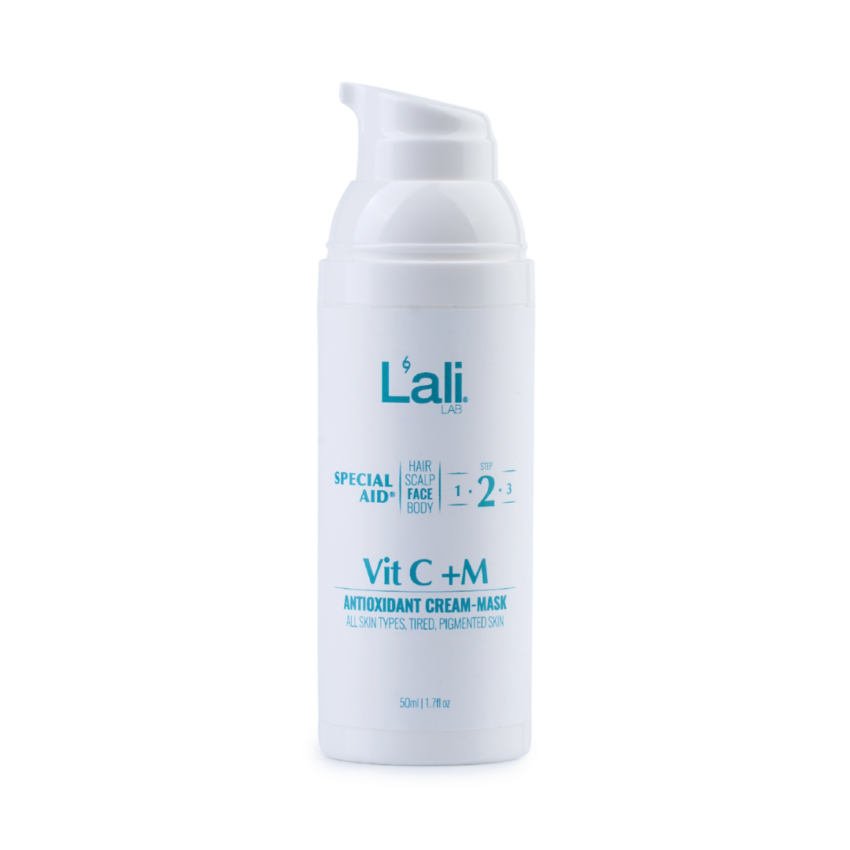
Step 2 ● SPECIALIZED CARE
● BRIGHTENS ● EVENS SKIN TONE ● RESTORES ●
for tired skin with pigmentation concerns, including sensitive skin
Mei Liu, Yue Dai, Ying Li, Yubin Luo, Fang Huang, Zhunan Gong, Qingyu Meng, Madecassoside Isolated from Centella asiatica Herbs Facilitates Burn Wound Healing in Mice, Planta Med 2008; 74(8): 809-815
Xueqing Shen,Miaomiao Guo,Haiyuan Yu,Dan Liu,Zhi Lu &Yanhua Lu, Propionibacterium acnes related anti-inflammation and skin hydration activities of madecassoside, a pentacyclic triterpene saponin from Centella asiatica, Food & Nutrition Science, Journal Bioscience, Biotechnology, and Biochemistry, Volume 83, 2019 – Issue 3
Narayanaswamy, R., Ismail, I.S. Cosmetic potential of Southeast Asian herbs: an overview. Phytochem Rev 14, (2015).
Wang Lei,et al., Effects of asiaticosideon on cell proliferation in cultured human skin fibroblast, 《Journal of Qiqihar Medical College》 2007-19
Grape Cell Culture, Hydrolysed Rocket Leaf and Hydrolysed Walnut Extract
INCI: Water (and) Vitis Vinifera Fruit Meristem Cell Culture (and) Hydrolyzed Eruca Sativa Leaf (and) Hydrolyzed Walnut Extract
Source: Grapes, Rocket Leaves and Walnuts
Technology: Stimulated Stem Cell Technology, Bioliquefaction Technology
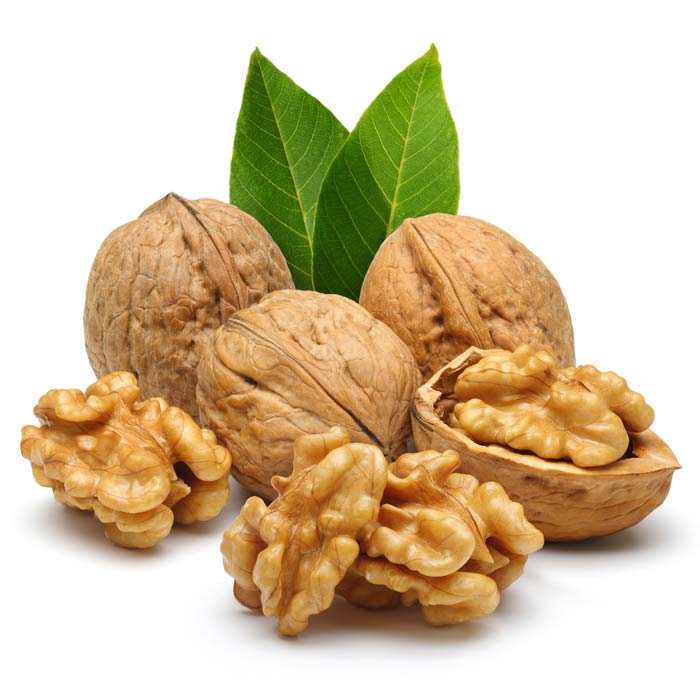
Description: Extensive clinical studies show that the combination of plant stem cells and extracts from grapes, rocket leaves and walnuts acts at different levels of HFDPC metabolism—the human hair follicle dermal papilla cells responsible for regulating hair growth. This produces synergistic, long-term stimulating effects on cell growth and hair vitality.
✓ Nourishes the hair follicle, which is connected to blood vessels that deliver nutrients and oxygen to the lower epidermal layers (in vitro test)
✓ Provides a long-term proliferative effect on hair follicle cells (+70% after 24 hours, in vitro test)
✓ Hair in the telogen phase: -9.7% after 21 days, -13.1% after 60 days (in vivo test)
✓ Hair in the anagen phase: +10.7% after 120 days (in vivo test)
✓ Anagen-to-telogen ratio: +32.4% after 60 days (in vivo test)
✓ Reduces hair loss: -21.3% after 21 days, -38% after 60 days (in vivo test)
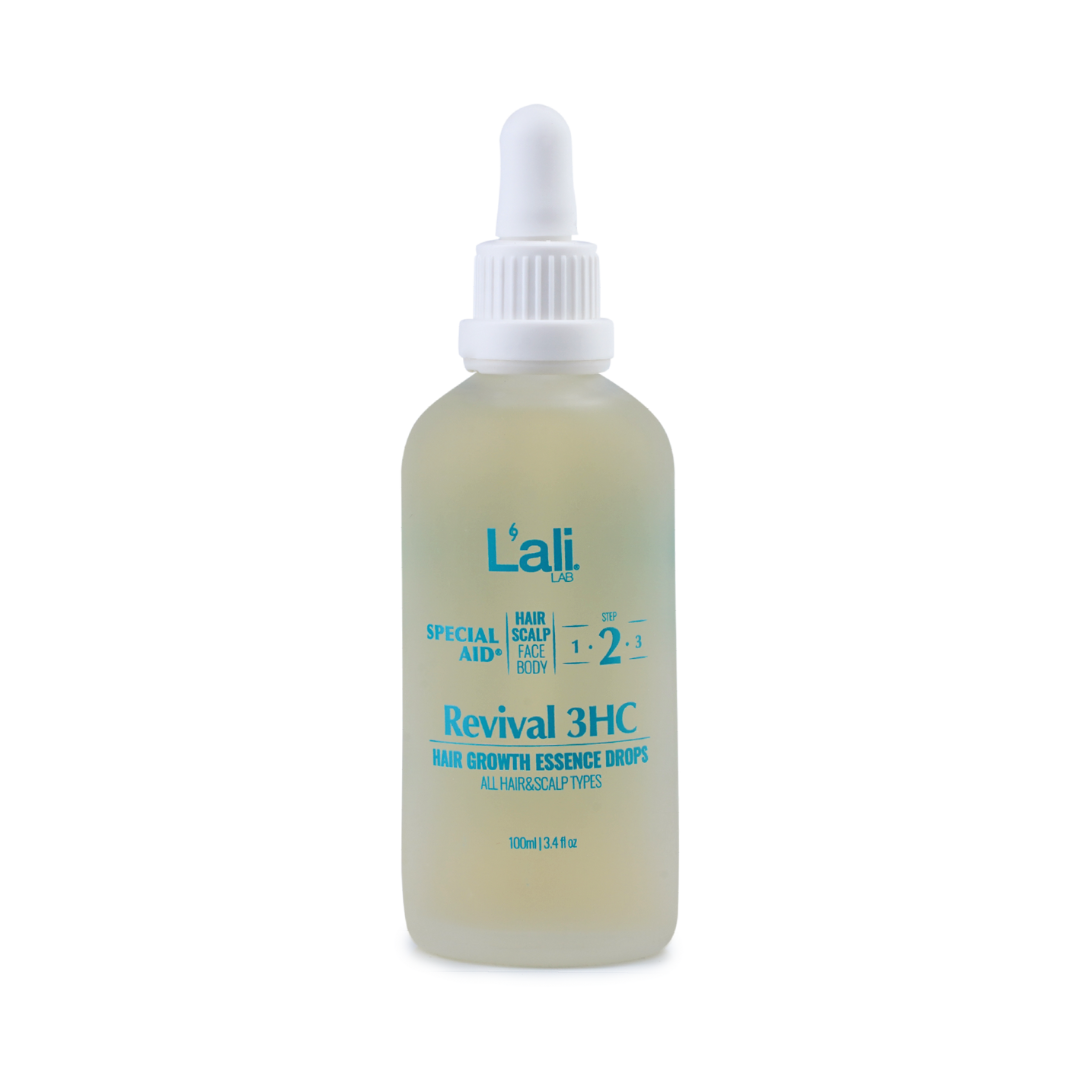
Step 2 ● SPECIALIZED CARE
HAIR GROWTH ESSENCE DROPS FOR HAIR AND SCALP | Revival 3HC | 100ml
● STIMULATES ● STRENGTHENS ● BALANCES ●
for all hair and scalp types, including sensitive scalp
Miastkowska, M.; Sikora, E. Anti-Aging Properties of Plant Stem Cell Extracts. Cosmetics 2018, 5
Bora Kim, Yoon‐E Choi, Hyun‐Soo Kim, Eruca sativa and its Flavonoid Components, Quercetin and Isorhamnetin, Improve Skin Barrier Function by Activation of Peroxisome Proliferator‐Activated Receptor (PPAR)‐α and Suppression of Inflammatory Cytokines, Phytotherapy Research, Volume28, Issue9, 2014
Meng, Y., et al.: Characterization of Bioactive and Bioenergy Components from, THERMAL SCIENCE: Year 2020, Vol. 24, No. 3A
Hydrolysed Baobab Extract
INCI: Hydrolyzed Adansonia Digitata Seed Extract
Source: Baobab Seeds
Technology: Hydrolysis
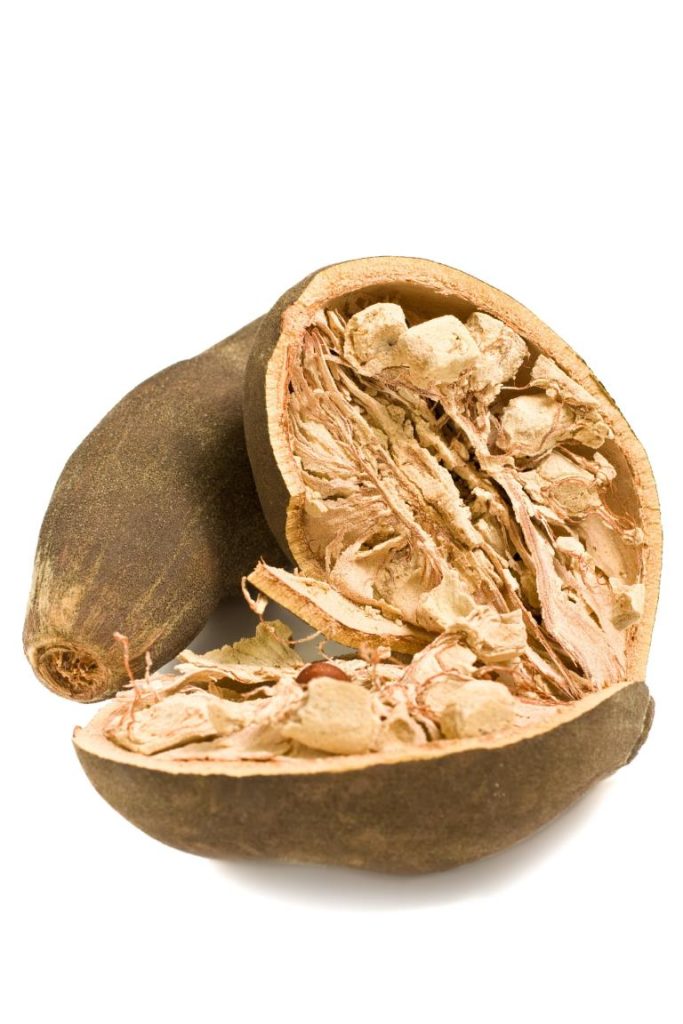
Description: A unique, multifunctional bioactive ingredient developed using oligopeptide technology. Derived from the legendary power of the baobab, this extract helps protect the skin from photoageing, supports skin and hair repair, increases hair strength, protects against UV damage, hydrates dry hair and nourishes each strand from root to tip. In addition, Hydrolysed Baobab Extract protects the skin from UV stress by limiting cellular ageing, significantly strengthening the barrier function to protect the skin and lock in moisture, and supporting DNA integrity following UV exposure.
✓ Significantly limits damage that leads to cellular ageing and photoageing (in vitro test)
✓ Helps minimise transepidermal water loss (TEWL), supporting the skin’s natural barrier function and locking in moisture (in vivo test)
✓ Provides high antioxidant activity to protect against damage caused by ROS (reactive oxygen species) (in vivo test)
✓ Supports DNA integrity following damage caused by UV exposure (in vitro test)
✓ Improves skin integrity and significantly increases hydration (in vivo test)
✓ Increases the strength of damaged hair (+29%, ex vivo test)
✓ Increases the elasticity of damaged hair (+10%, ex vivo test)
✓ Protects the hair from UV stress (ex vivo test)
✓ Improves wet and dry combability while helping prevent breakage (-22% and -28%, ex vivo test)
✓ Reduces static electricity (ex vivo test)
Sinha R P, Hader D P., 2002, UV‐induced DNA damage and repair: a review. Photochem. Photobiol. Sci., 1, 225‐236.
Yaar M, Gilchrest B A., 2007, Photoageing: mechanism, prevention and therapy. British Journal of Dermatology. 157, pp874‐887
Sjerobabski Masnec I, Poduje S., 2008, Photoaging. Coll. Antropol. 32 (2008) Suppl. 2: 177‐180
Battie C, Verschoore M. Cutaneous solar ultraviolet exposure and clinical aspects of photodamage. Indian J Dermatol Venereol Leprol 2012;78:9‐14
Rastogi R, Richa, Kumar A, Tyagi M, Sinha R P., 2010, Molecular mechanisms of ultraviolet radiation‐induced DNA damage and repair. Journal of Nucleic Acids
You Y, Szabo P E, Pfeifer P., 2000, Cyclobutane pyrimidine dimers form preferentially at the major p53 mutational hotspot in UVB‐induced mouse skin tumors. Carcinogenesis vol.21 no. 11 pp.2113‐2117, 2000
Andersen WK, Labadie RR, Bhawan J. 1997, Histopathology of solar lentigines of the face: a quantitative study. J Am Acad Dermatol.
World Health Organization. The UV Index Worldwide. Ultraviolet radiation and the INTERSUN Programme
Apple Cell Culture
INCI: Malus Domestica Fruit Cell Culture Extract (and) Hydroxyacetophenone (and) Ethylhexylglycerin
Source: Apple
Technology: Cell Culture Technology
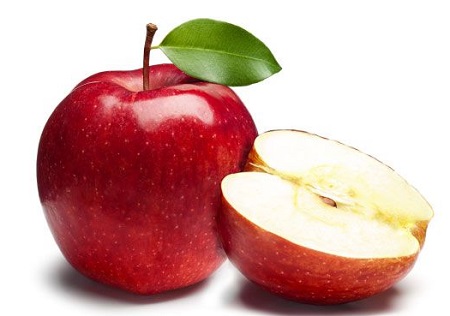
Description: Commonly known as a source of vitamin C, the apple is also a symbol of eternal youth and immortality. This active ingredient is inspired by the continuous life cycle of the apple fruit and helps maintain a healthy, youthful appearance. By strengthening the skin’s barrier function and limiting irritation, it restores cellular balance, reduces flaking and controls sebum production.
✓ Stimulates collagen synthesis (+14%, in vitro test)
✓ Increases the viability of human hair follicle dermal papilla cells (HFDPCs) (+42%, in vitro test)
✓ Provides an anti-irritation effect (-50%, in vitro test)
✓ Soothes the skin and reduces redness (+117% after 2 weeks, in vivo test)
✓ Reduces flaking (-48% after 4 weeks, in vivo test)
✓ Reduces sebum production (-49% after 4 weeks, in vivo test)
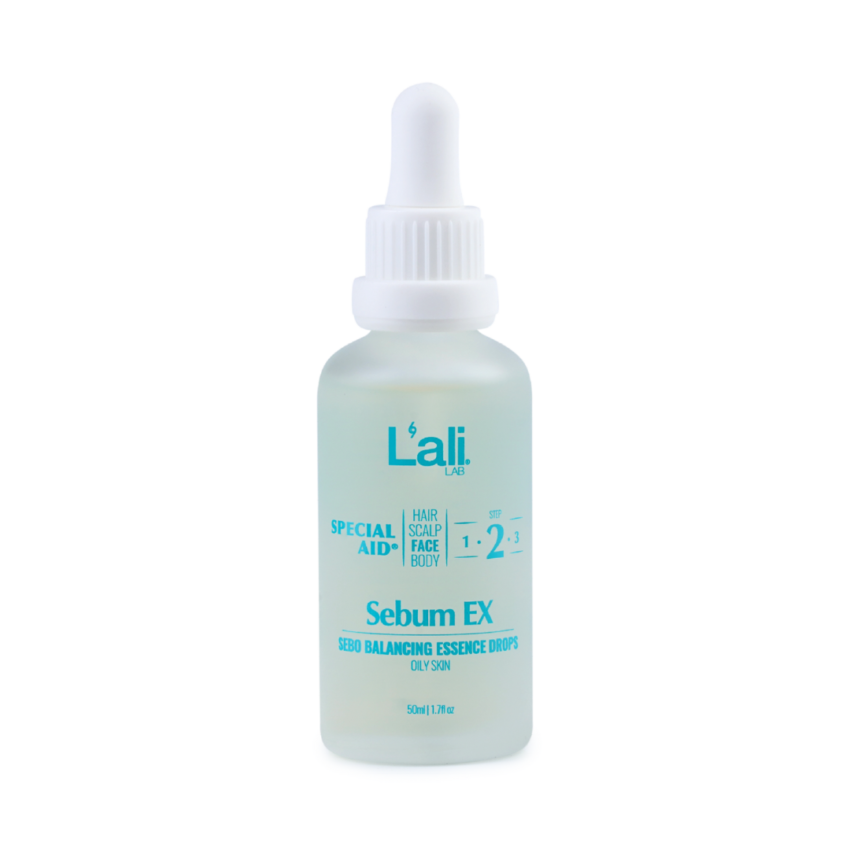
Step 2 ● SPECIALIZED CARE
● MATTIFIES ● BALANCES ● SOOTHES ●
for oily skin, including sensitive skin
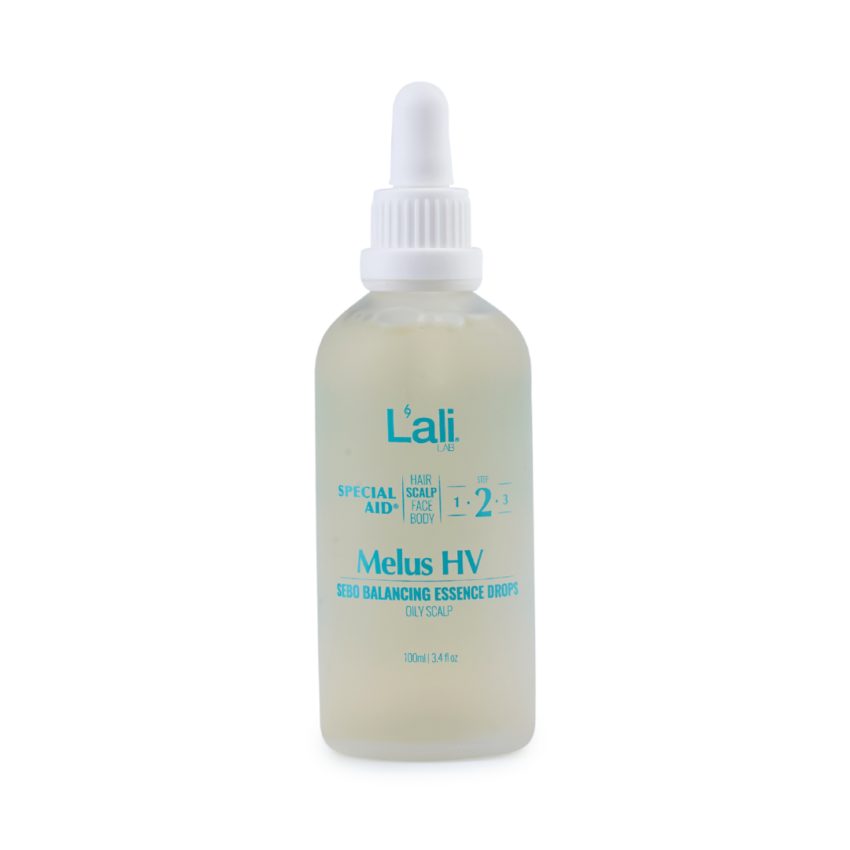
Step 2 ● SPECIALIZED CARE
SEBO BALANCING ESSENTIAL DROPS FOR OILY SCALP | Melus HV | 100ml
● BALANCES ● HYDRATES ● SOOTHES ●
for scalp prone to excess oil, including sensitive scalp
Step 2 ● SPECIALIZED CARE
● BALANCES ● STRENGTHENS ● SOOTHES ●
for acne-prone skin, including sensitive skin
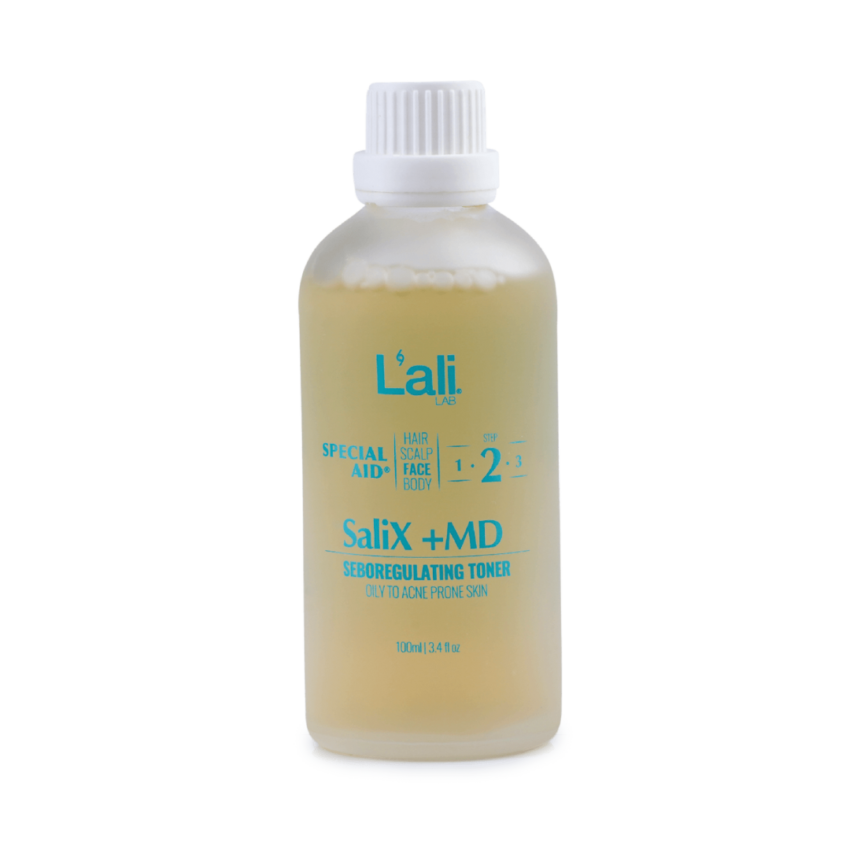
Step 2 ● SPECIALIZED CARE
● MATTIFIES ● BALANCES ● SOOTHES ●
for oily and acne-prone skin, including sensitive skin
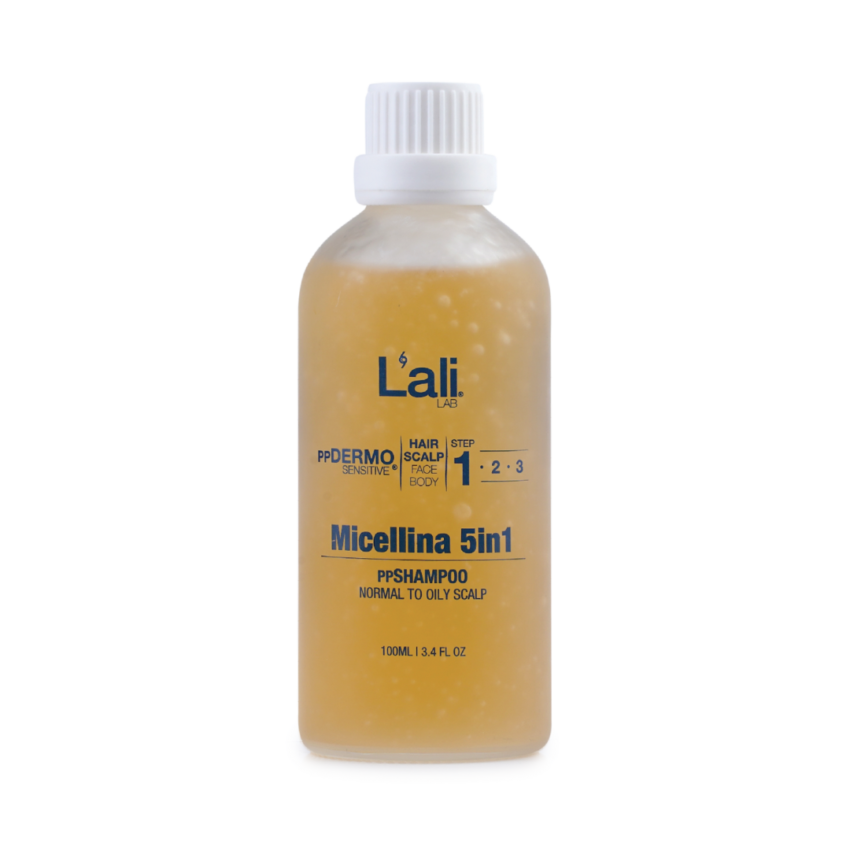
● CLEANSES ● BALANCES ● HYDRATES ●
for normal to oily scalps, including sensitive scalps
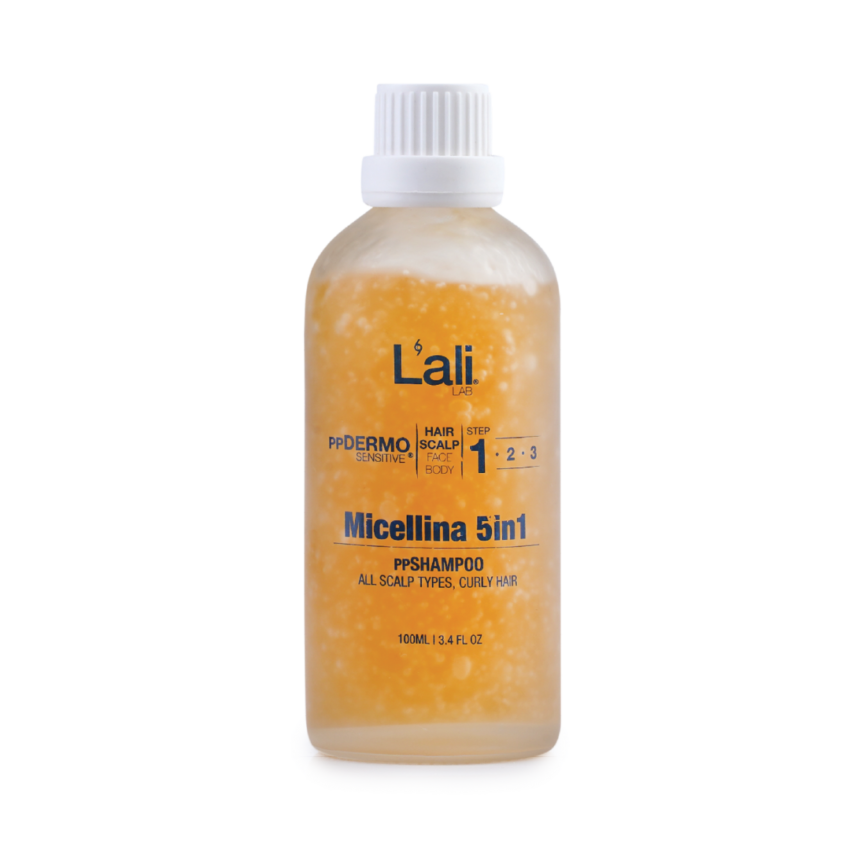
Step 1 ● DETOX
● CLEANSES ● SOFTENS ● HYDRATES ●
for curly hair and all scalp types, including sensitive scalp
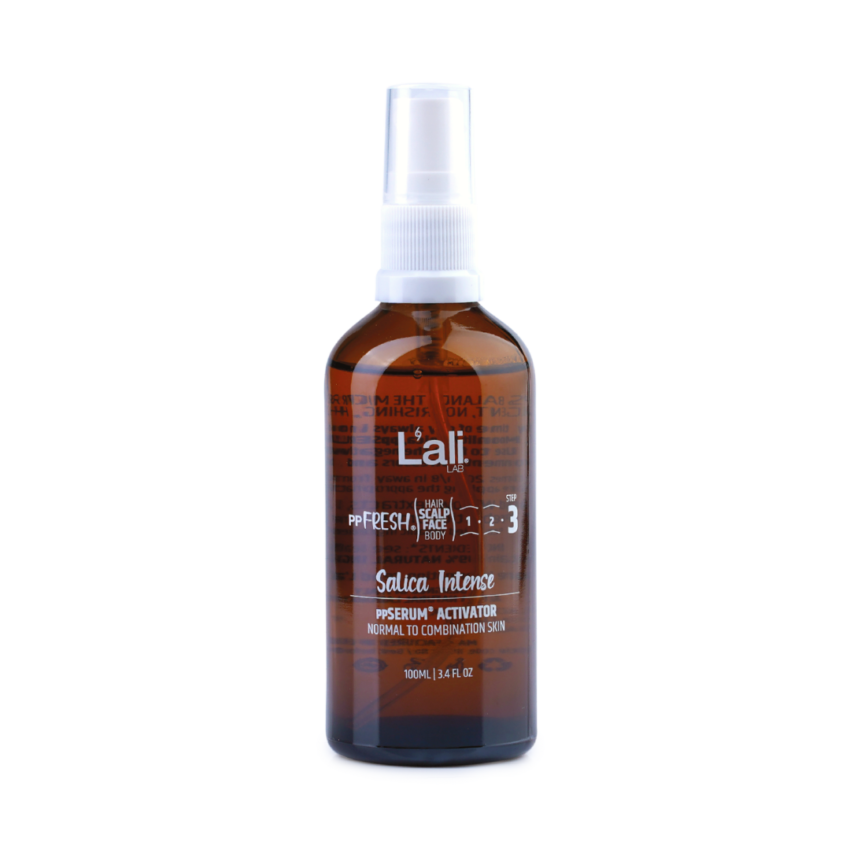
Step 3 ● PROTECTION AND REGENERATION
● BALANCES ● HYDRATES ● NOURISHES ●
for normal to combination skin and eye contour
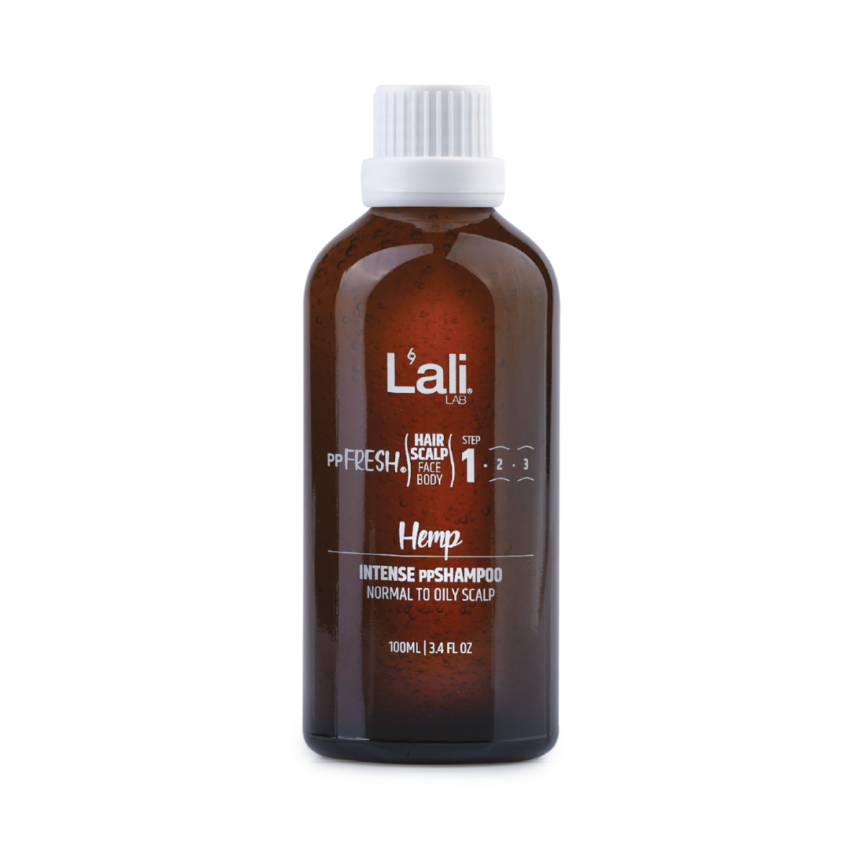
Step 1 ● DETOX
● CLEANSES ● BALANCES ● HYDRATES ●
for normal to oily scalp
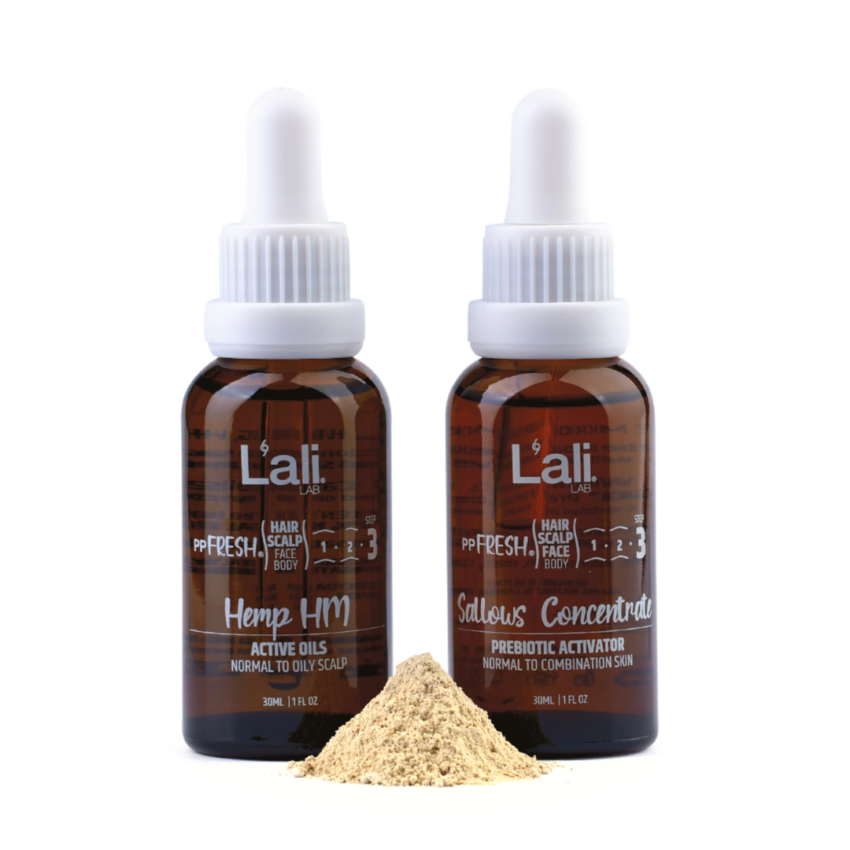
Step 1 ● DETOX
● CLEANSES ● BALANCES ● REGENERATES ●
for normal to oily scalps
Martyna Moru, Monika Baran, Magdalena Rost-Roszkowska And Urszula Skotnicka-Graca, Plant Stem Cells As Innovation In Cosmetics, Acta Poloniae Pharmaceutica ñ Drug Research, Vol. 71 No. 5 pp. 2014
Sara Jelodarian, Abdolrasoul Haghir Ebrahimabadi, Fereshteh Jookar Kashi, Evaluation of antimicrobial activity of Malus domestica fruit extract from Kashan area, Avicenna Journal of Phytomedicine, 2012, Vol. 3, No. 1, Winter 2013
Mindaugas Liaudanskas, Pranas Viškelis, Raimondas Raudonis, Darius Kviklys, Norbertas Uselis, Valdimaras Janulis, “Phenolic Composition and Antioxidant Activity of Malus domestica Leaves”, The Scientific World Journal, vol. 2014, Article ID 306217, 2014.
Inulin and Alpha-Glucan Oligosaccharide
INCI: Inulin, Alpha-Glucan Oligosaccharide
Source: Chicory
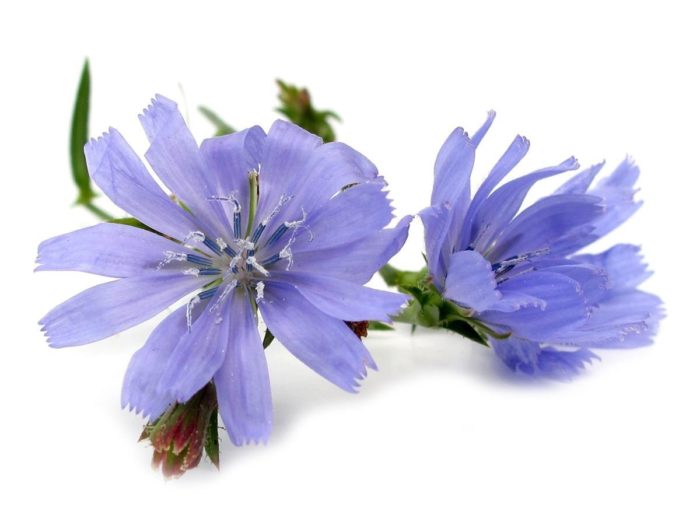
Description: A powerful prebiotic complex that promotes the growth of beneficial skin microflora without stimulating harmful bacteria. Developed with inulin extracted from chicory root, the complex works by selectively nourishing each person’s unique microflora, thereby helping prevent certain skin imbalances. Even when the natural balance has been disrupted, the prebiotic helps restore equilibrium within the individual microbiome.
✓ Helps prevent the recurrence of severe skin concerns (in vivo test)
✓ Strengthens the skin’s protective microbiome (in vivo test)
✓ Selectively nourishes beneficial microflora (in vivo test)
✓ Increases skin hydration (+20% after 4 weeks, in vivo test)
✓ Reduces transepidermal water loss (TEWL) (-21% after 4 weeks, in vivo test)
Nizioł-Łukaszewska, Zofia & Bujak, Tomasz & Wasilewski, Tomasz & Szmuc, Edyta. (2019). Inulin as an effectiveness and safe ingredient in cosmetics. Polish Journal of Chemical Technology. 21.
NLM (National Library of Medicine). 2012. PubMed online scientific bibliography data. http://www.pubmed.gov.
EC (Environment Canada). 2008. Domestic Substances List Categorization. Canadian Environmental Protection Act (CEPA) Environmental Registry.
Glycerides and Fatty Acids from Almond, Borage, Linseed and Olive
INCI: Almond/Borage/Linseed/Olive Acids/Glycerides
Technology: Enzymatic Activation
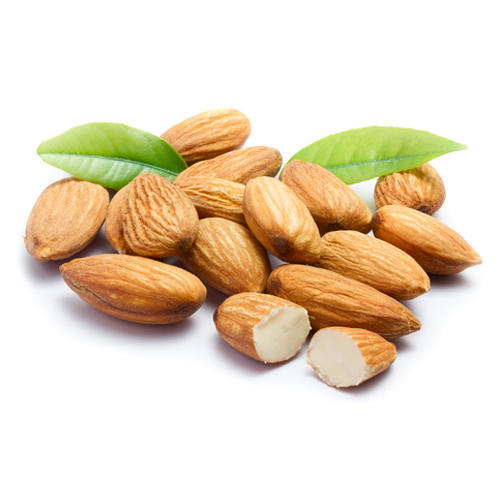
Description: A blend of enzymatically activated almond, borage, linseed and olive oils, creating a complex rich in free fatty acids with significantly higher antioxidant activity than untreated oils. It moisturises the skin and improves its elasticity while absorbing much more quickly and leaving a less greasy finish. It also improves hair elasticity by increasing tensile strength, making the hair less prone to breakage.
✓ Natural alternative to silicones
✓ Anti-stretch mark effect (+34.4%, in vivo test)
✓ Increases skin elasticity (+45.6%, in vivo test)
✓ Improves skin hydration (+24.9%, in vivo test)
✓ Increases antioxidant activity (+114%, in vitro tests)
✓ Increases hair elasticity (+53.0%, ex vivo test)
✓ Absorbs more quickly (in vivo test)
✓ Increases mitochondrial activity (in vitro tests)
Cosmetic Ingredient Review, Final Report: Plant-Derived Fatty Acid Oils as Used in Cosmetics, 2011
Fermented Organic Aloe Juice
INCI: Aloe Barbadensis Leaf Juice, Saccharomyces Ferment Lysate Filtrate, Citric Acid, Sodium Benzoate, Potassium Sorbate
Source: Organically Certified Aloe Vera Leaves
Technology: HyperFermentation Technology
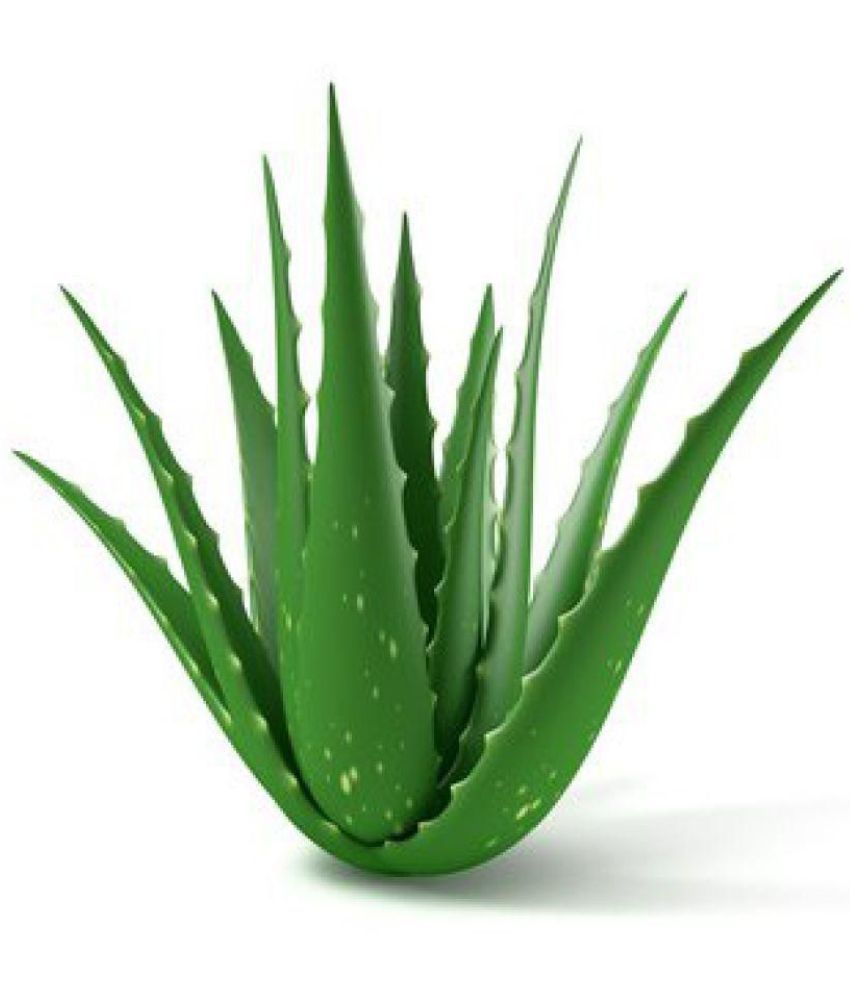
Description: Contains a phytocomplex enhanced by the combined action of enzymes and Saccharomyces cerevisiae. This process increases the cosmetic efficacy of aloe at both the metabolic and skin levels. The fermented extract is significantly more effective at moisturising the skin than untreated aloe gel. It provides both short- and long-term action, moisturising even the deeper layers of the skin, reducing flaking and improving firmness.
✓ Increases keratinocyte metabolism (in vitro test)
✓ Five times more effective than standard aloe at moisturising the skin (in vivo test)
✓ Improves short-term moisturisation (+15% after 4 hours, in vivo test)
✓ Improves long-term moisturisation (+12% after 15/30 days, in vivo test)
✓ Improves deep moisturisation (+30% after 30 days, in vivo test)
✓ Reduces skin flaking (-16% after 15 days, in vivo test)
✓ Increases skin firmness (+33% after 30 days, in vivo test)
✓ Helps the hair retain moisture (+26% in rinse-off application, +54% in leave-on application, ex vivo test)
KOJO ESHUN & QIAN HE (2004) Aloe Vera: A Valuable Ingredient for the Food, Pharmaceutical and Cosmetic Industries—A Review, Critical Reviews in Food Science and Nutrition, 44:2, 91-96
Cioca et al., Method Of Enhancing Biological Activity Of Plant Extracts Patent Application Publication (10) Pub.